Electric Nail Trimmer: Worth It for Natural or Acrylics?
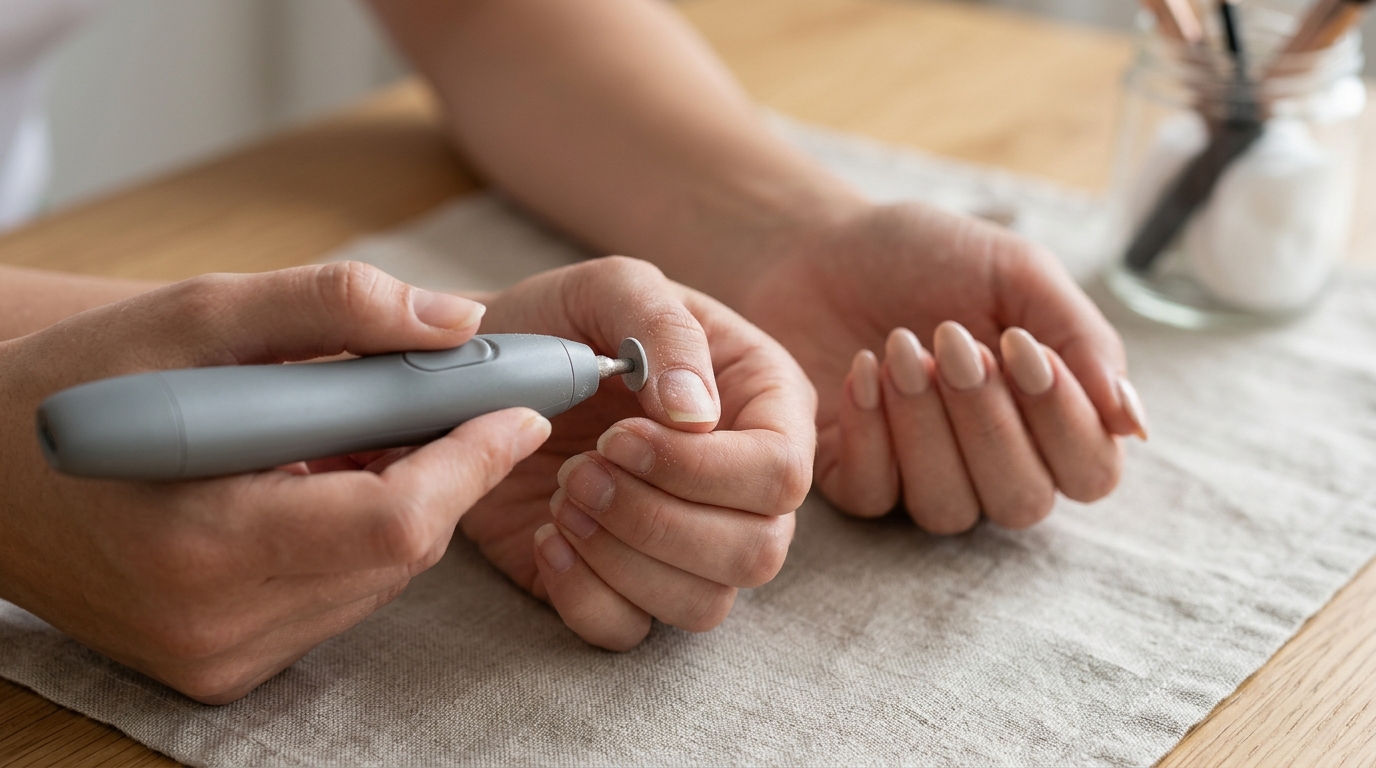
Is the electric nail trimmer any good?
An electric nail trimmer can be very good—if it matches the job you need it to do. For quick cleanups, smoothing rough edges, and shaping acrylic or gel, a quality electric trimmer is faster and more consistent than manual files. It also helps reduce uneven pressure on the nail, which is a common cause of cracks and splits when filing by hand.
Where electric trimmers shine is control: good models offer variable speed settings, forward/reverse rotation, and multiple bits for different tasks. Lower speeds are ideal for natural nails and gentle shaping, while higher speeds work better for product removal and tougher areas—assuming you have the right bit and a steady hand.
What makes an electric nail trimmer “good”?
Speed range and stability
A wider speed range is helpful, but stability matters more than raw RPM. A smoother motor with less vibration gives cleaner results and reduces the chance of accidental slips.
Bit quality and versatility
Interchangeable bits let you refine cuticles, shape the nail edge, and remove product without overworking one area. Durable bits cut more cleanly and generate less heat.
Comfort and safety features
Lightweight design, an easy grip, and intuitive controls make a big difference during detailed work. Built-in forward/reverse is especially useful for switching hands and avoiding awkward angles.
When an electric trimmer may not be the best choice
If you want a tool that “clips” nails shorter the way traditional clippers do, an electric nail trimmer may not replace clippers for everyone. Also, beginners can over-file if they use too much pressure or stay in one spot too long. Start slow, use minimal pressure, and keep the bit moving.
Need help choosing a cordless model?
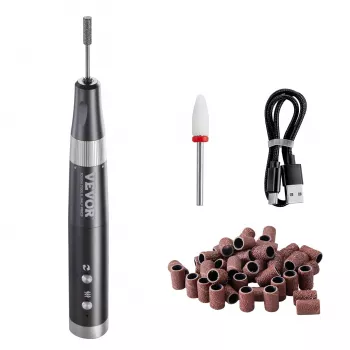
For a deeper breakdown of speed settings, usability, and what to look for in a cordless nail drill, see the full guide here: Cordless Nail Drill 30,000 RPM Variable Speed Guide.
FAQ
What RPM is safe for natural nails?
For natural nails, lower speeds are typically safest—often in the 3,000–8,000 RPM range—paired with light pressure and gentle bits. Higher RPM can create heat and thin the nail quickly if you’re not careful.




Leave a comment