Cordless Nail Drill 30,000 RPM: Variable Speed Guide
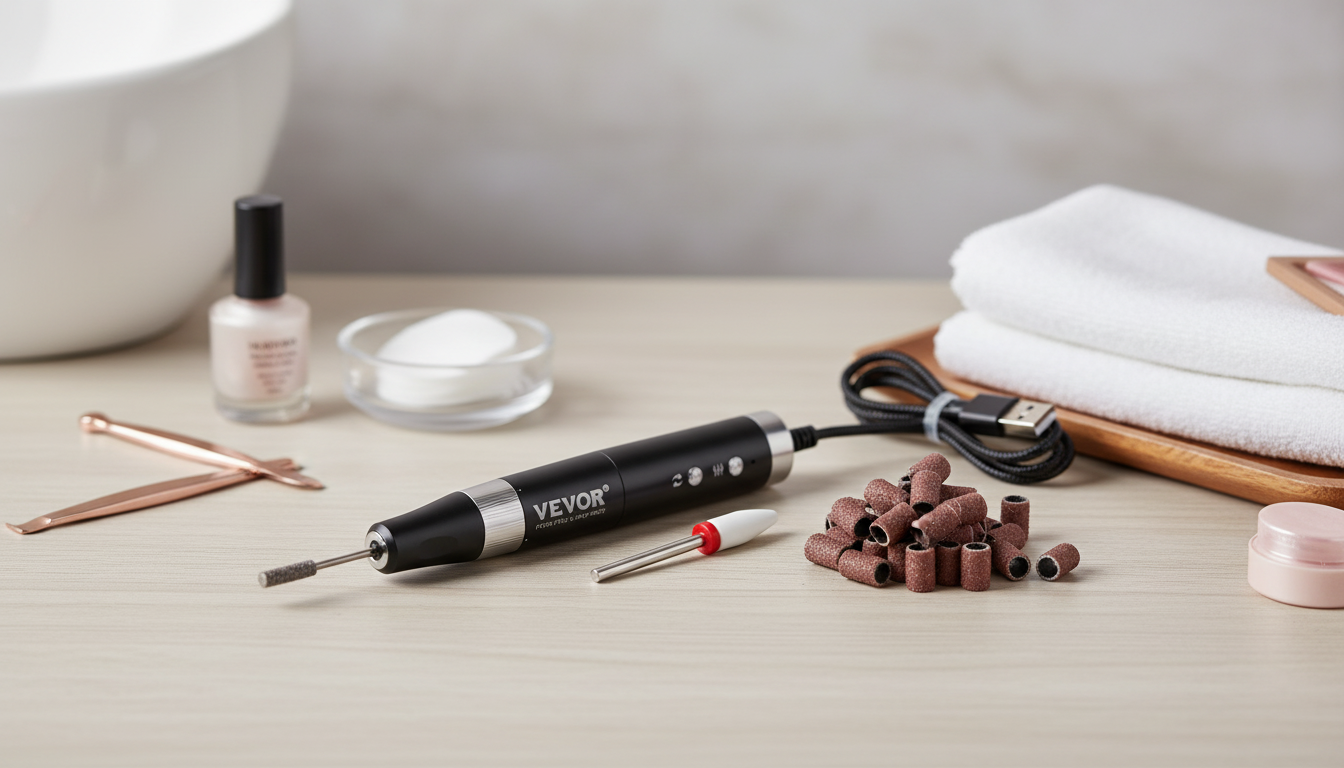
Cordless Electric Nail Drill with Variable Speed: Smooth Manicures and Pedicures at Home
A cordless nail drill with adjustable RPM can help shape, refine, and remove product with more control than manual filing—especially when you match the speed to the step. With the right bit, light pressure, and steady movement, at-home manicures and pedicures can feel faster and more consistent while minimizing heat and over-filing.
What a variable-speed cordless nail drill helps with
Variable speed matters because nail work isn’t one-speed-fits-all. A controlled, adjustable drill can support multiple steps across both hands and feet.
- Shaping and refining enhancements (gel, acrylic, poly gel) and smoothing the surface before top coat
- Cuticle area cleanup with the correct bit and light pressure
- Removing bulk product faster than hand filing when used at appropriate RPM
- Pedicure tasks like smoothing thickened areas with pedicure-safe bits and careful technique
- More consistent results thanks to steady RPM control rather than “all-or-nothing” power
Key specs that affect performance and comfort
Beyond “how fast it goes,” comfort and control determine whether the drill feels precise or stressful to use.
- Top speed (up to 30,000 RPM): Useful for quicker bulk removal and smoothing when paired with proper bits.
- True variable speed control: Helps you match RPM to prep vs. refining vs. removal without jumping between awkward speed steps.
- Cordless design: Makes it easier to change angles and hand positions without a cord tugging or snagging.
- Ergonomics: A balanced handpiece reduces hand fatigue during longer removal sessions.
- Noise and vibration: Lower vibration improves accuracy near sidewalls and the cuticle pocket.
How RPM ranges typically map to common tasks
| Task | Typical RPM range | Notes for control |
|---|---|---|
| Cuticle area detailing (gentle cleanup) | 3,000–8,000 | Use light pressure; keep the bit moving; avoid digging into skin. |
| Natural nail prep (very light refining) | 5,000–10,000 | Minimal passes; stop if warmth builds. |
| Refining gel/acrylic shape | 10,000–18,000 | Work in zones; use a medium grit bit; check symmetry often. |
| Removing bulk product (gel/acrylic) | 18,000–30,000 | Best with appropriate bits; keep motion steady to prevent heat spikes. |
| Pedicure smoothing (callus work with correct attachments) | 6,000–15,000 | Avoid lingering in one spot; do not use on broken/irritated skin. |
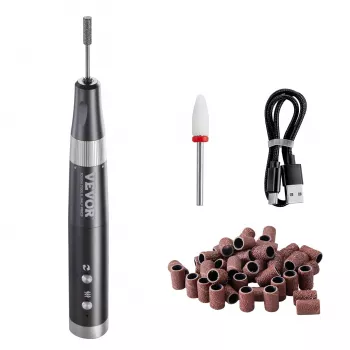
Product spotlight: Cordless Electric Nail Drill 30,000 RPM with Variable Speed
If you want a single tool that covers light refining through faster removal, a cordless drill with a wide RPM range is a practical place to start.
- Up to 30,000 RPM with adjustable speed to match different manicure and pedicure steps
- Cordless convenience for better mobility and easier angle changes while filing
- Useful for shaping, refining, and removal work when paired with the right bits and technique
- A practical option for routine at-home maintenance or for users who want faster product removal
At-a-glance details
| Item | Detail |
|---|---|
| Name | Cordless Electric Nail Drill 30,000 RPM with Variable Speed for Manicure Pedicure |
| Price | $68.97 USD |
| Availability | In stock |
How to use it with less heat and fewer mistakes
Heat usually comes from friction: too much pressure, too high RPM for the step, staying in one spot, or using a worn bit. A few habits make a big difference.
- Start low, then increase: Begin at a lower RPM to find control, then raise speed only as needed.
- Use the right pressure: Let the bit do the work; pressing harder increases heat and the risk of gouges.
- Keep the bit moving: Use steady passes to prevent hot spots and uneven thinning.
- Work in sections: Remove product gradually across the nail instead of chasing one corner.
- Check often: Stop frequently to inspect thickness and shape under good lighting.
Bit and grit basics (quick pairing guide)
Bits and grits are where most “good drill” experiences are won or lost. The right pairing improves smoothness, speed, and comfort.
- Coarse bits: For bulk removal on enhancements (gel/acrylic), not for the natural nail plate.
- Medium grit: Often the sweet spot for refining shape without removing too aggressively.
- Fine bits: Better for smoothing, finishing, and careful work closer to the cuticle area.
- Pedicure-specific attachments: Use foot-safe tools designed for skin; avoid improvised bits on calluses.
- Sanitation and replacement: Clean/disinfect bits between uses and replace worn bits that create extra heat or vibration.
Safety and hygiene for home manicures and pedicures
Clean tools and a cautious approach protect both nail health and skin. For general nail-care guidance, the American Academy of Dermatology Association offers practical nail health tips, and the CDC provides an overview of fungal nail infections and prevention.
Care and storage to keep performance consistent
More in-stock finds
- RGB Wireless Bluetooth 5.3 Speaker
- Monster-Themed Cat Tree Tower
- Large Indoor Cat House with Removable Flower Bed
FAQ
Is 30,000 RPM too fast for beginners?
No—the maximum speed is there for faster bulk removal, but beginners should start much lower and increase RPM only once control feels steady. Light pressure and constant movement help prevent heat and accidental dips.
What RPM should be used for cuticle work?
Many people stay in the 3,000–8,000 RPM range for gentle cuticle-area detailing, depending on the bit and experience level. Use minimal contact time, keep the bit moving, and avoid touching live skin.
Can a nail drill be used on natural nails without damage?
Yes, but only with fine bits, low RPM, very light pressure, and minimal passes. Avoid coarse bits and aggressive filing that can thin the nail plate and lead to sensitivity or peeling.



Leave a comment