At-Home Hair & Beard Grooming With One Pro Clipper
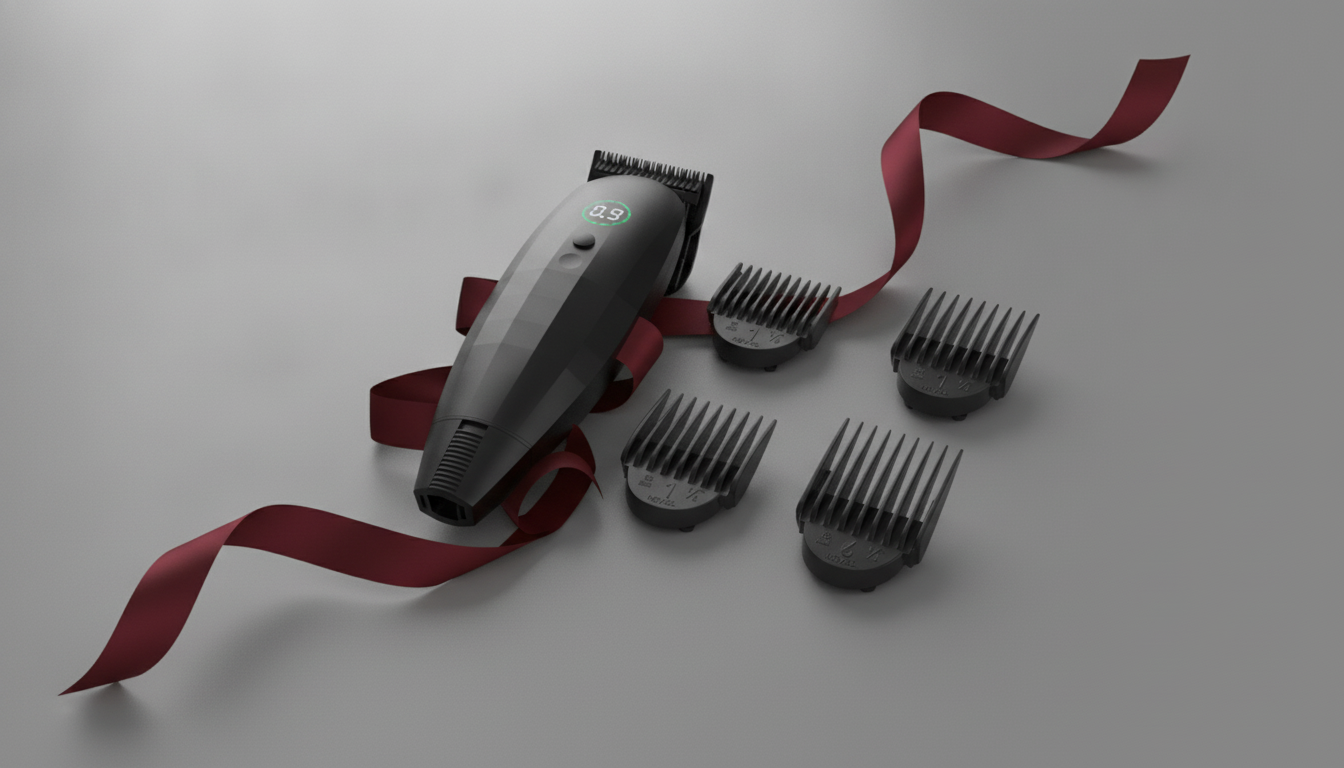
A dependable clipper-and-trimmer setup turns routine grooming into quick, consistent results—whether the goal is a neat beard line-up, a close taper, or maintaining a buzz cut between barbershop visits. The difference usually comes down to a few fundamentals: a sharp, stable blade, steady power, comfortable handling, and simple upkeep. With the right workflow, it’s easier to get crisp, even cuts with fewer passes and less irritation. For more guidance, see Professional Hair Clippers for Men Beard Trimmers Kit ….
What a combined clipper and beard trimmer can handle
- Head hair maintenance: Buzz cuts, blends, and basic fades with guard-guided length control.
- Beard shaping: Cheek and neck line definition, moustache detailing, and bulk reduction before edging.
- Body and touch-ups: Quick cleanups around sideburns, ears (carefully), and the neckline between full cuts.
- Travel-ready grooming: A one-device approach for simple upkeep when space is limited.
Key features that affect results
- Blade type and sharpness: A stable, sharp cutting edge reduces tugging and patchiness, especially in coarse beard hair.
- Motor power and consistency: Steady torque helps prevent snagging in dense areas and keeps cuts more even across the whole head.
- Guard system: Secure guards with clear length options make repeatable outcomes easier and reduce “oops” moments.
- Ergonomics: Balanced weight and a comfortable grip help maintain clean lines and reduce hand fatigue during self-cuts.
- Noise and vibration: Lower vibration supports more controlled detailing around edges and tight contours.
- Corded vs cordless: Corded tools can offer continuous power; cordless adds flexibility for mirrors, angles, and quick touch-ups.
Fast comparison: clipper vs trimmer tasks
Think of a clipper as the “bulk remover” for larger areas and longer lengths, while a trimmer is the “detail finisher” for crisp borders and tight spots. For beards, guards help reduce length evenly, and a trimmer (often with no guard) is ideal for outline work. For haircuts, a clipper handles the overall cut, then a trimmer refines sideburns and the neckline. For further reading, see Best Beard Trimmer for You.
Common grooming tasks and the best tool mode
| Task | Best choice | Why it works |
|---|---|---|
| Buzz cut (even length) | Clipper + guard | Keeps length uniform and speeds up coverage |
| Beard length reduction | Clipper/trimmer + longer guards | Removes bulk without creating holes |
| Cheek line and neckline edging | Trimmer (no guard or short guard) | Improves precision near contours |
| Taper cleanup around ears | Clipper (short guard) then trimmer | Clipper blends; trimmer refines the edge |
| Moustache detailing | Trimmer + small guard | More control on short, dense hair |
How to get a clean cut at home (simple workflow)
Comfort and skin-safety tips (especially for beard lines)
- Minimize repeated dry passes: Irritation often comes from going over the same spot again and again. Aim for fewer, more effective passes.
- Keep blades clean to reduce drag: Hair buildup can cause pulling and uneven cutting, especially at the neckline.
- Stretch skin gently for detail work: A light stretch along the neck helps the blade track cleanly and reduces the chance of nicks.
- Use short strokes on curves: Around the jawline and chin, short strokes help maintain control and avoid accidental dips in the line.
- If you’re prone to bumps: Avoid cutting too aggressively below the natural neckline and consider setting the line slightly higher. For more guidance, the American Academy of Dermatology Association discusses prevention approaches for razor bumps and ingrown hairs: https://www.aad.org/public/everyday-care/skin-care-basics/hair/razor-bumps.
Care, cleaning, and blade longevity
- Brush out hair after each use: Remove guard attachments and clear trapped cuttings so the blade can move freely next time.
- Oil the blades as recommended: Proper oiling reduces friction, heat, and premature wear—often the difference between smooth cutting and tugging.
- Store dry: Moisture can contribute to corrosion over time, especially around blade teeth and fasteners.
- Replace worn parts: Swap guards or blades if teeth bend or cutting becomes inconsistent.
- Follow washable instructions carefully: Some devices can be rinsed while others should not. For general home cleaning and hygiene basics, the CDC provides practical guidance: https://www.cdc.gov/hygiene/cleaning/index.html.
When upgrading makes sense
Product spotlight: Professional Hair Clippers & Beard Trimmer
If the goal is a straightforward at-home grooming setup that can handle both bulk cutting and detail work, Professional Hair Clippers & Beard Trimmer is designed to cover the essentials with one tool. It’s a practical choice for routine trims, beard shaping, and keeping clean edges between appointments. Check current availability and product details on the listing before purchasing.
More in-stock picks (from the shop)
- Monster-Themed Cat Tree Tower
- Large Indoor Cat House with Removable Flower Bed
- Your Checklist for Writing a Children’s Book | Printable Author Guide (Digital Download)
FAQ
Can one device handle both haircuts and beard trimming?
Yes—use guard lengths for bulk reduction and switch to shorter settings (or no guard) for edging. Results typically look cleaner when bulk cutting is done first and detailing is done last.
How often should clipper blades be oiled?
For frequent use, lightly oil after each session or every few uses. Oiling reduces heat, friction, and tugging, and it helps keep cutting performance consistent over time.
What helps prevent patchy beard trimming?
Start with a longer guard, trim against the grain using slow, steady passes, and keep the blade clean as you work. Go section by section rather than jumping around, so density stays even.




Leave a comment