Levitating Bluetooth Speaker: How It Works & What to Buy
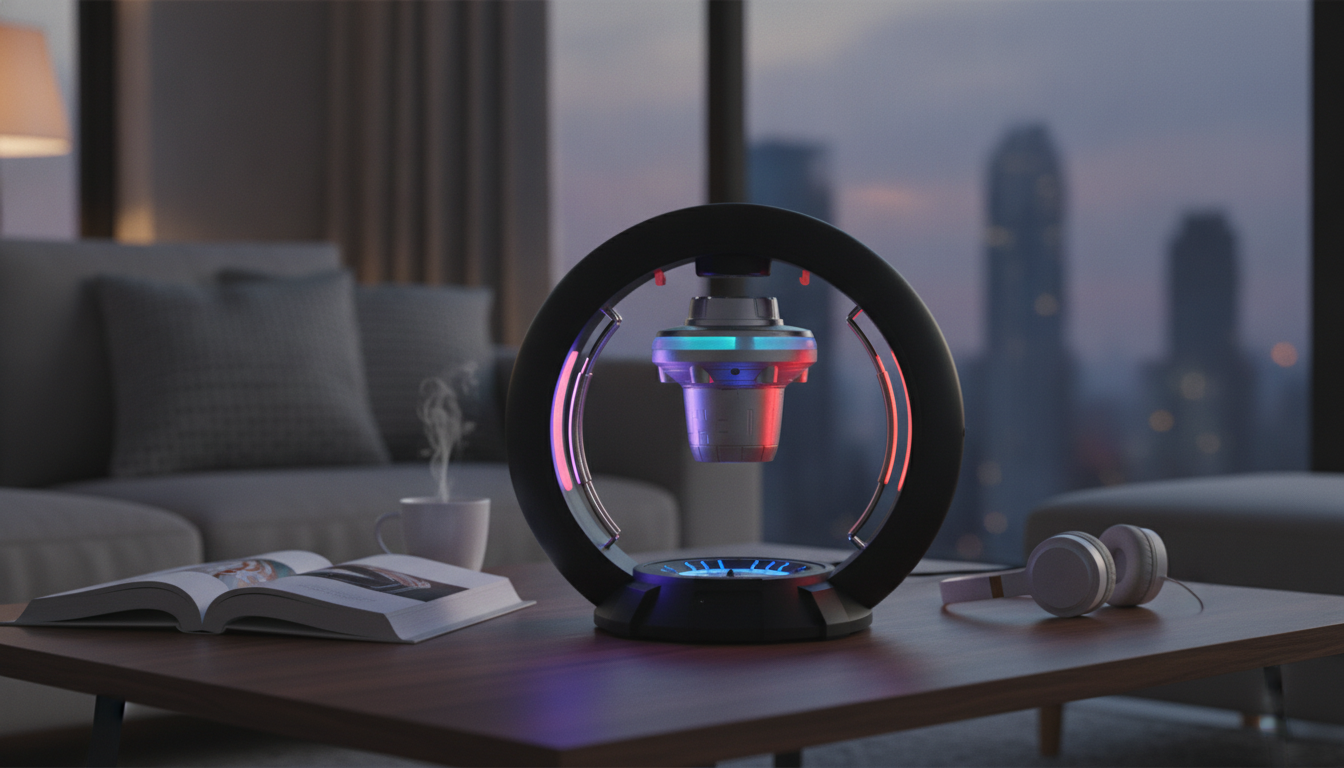
Levitating Bluetooth Speaker: Floating Audio That Turns Any Room Into a Conversation Piece
A levitating Bluetooth speaker combines wireless audio with magnetic levitation, making the speaker appear to float above its base while playing music. Beyond the visual “wow,” the best experience comes from stable levitation, reliable Bluetooth connection, and sound that holds up for everyday listening—whether it’s a desk setup, living room, or a gift that actually gets used.
What Makes a Speaker “Levitating”
At the core, levitation is a carefully controlled magnetic balancing act. The base generates a magnetic field, and the floating speaker contains magnets that oppose it. A built-in control system constantly adjusts the field to keep the unit suspended—so it’s not just “magnets,” but magnets plus active stabilization.
- Magnetic levitation uses opposing magnetic fields to suspend the speaker above the base; a control system helps keep it stable in midair.
- The floating unit typically contains the driver(s), battery, Bluetooth module, and charging components; the base provides power and levitation control.
- Some models allow gentle rotation while levitating; others prioritize stability over motion.
- Levitating designs are best suited for moderate listening volumes and ambient soundscapes; they shine most as a functional display piece.
Quick checklist: what to look for before buying
| Feature | Why it matters | What to check |
|---|---|---|
| Levitation stability | Prevents drops and frustration | Wide, steady “sweet spot” for hovering; minimal wobble |
| Bluetooth version & range | Fewer disconnects; better compatibility | Bluetooth 5.x preferred; usable range in your room layout |
| Battery life | Keeps the floating effect truly wireless | Realistic runtime at mid volume; clear charging method |
| Charging & power options | Ease of daily use | USB power for base; simple docking or contact charging |
| Controls | Convenient playback without phone | Volume/play/pause/track buttons or clear app-free operation |
| Noise & interference resistance | Reduces audio stutter | Stable playback around Wi‑Fi routers and laptops |
Design Details That Change the Day-to-Day Experience
Levitating speakers look futuristic, but the daily experience often comes down to the practical stuff: where it sits, how it resists bumps, and whether it stays visually “clean” on a real desk—not just in a product photo.
- Base footprint and weight: A heavier base tends to feel steadier on desks and shelves, especially around foot traffic.
- Material choices: Glossy finishes look premium but show fingerprints; matte surfaces hide wear better in daily handling.
- Lighting and ambiance: Built-in LEDs can elevate the floating illusion; confirm whether lights can be dimmed or turned off for bedrooms.
- Cable management: Consider where the base power cable will run so the display looks clean from all angles.
- Placement tips: Keep away from strong external magnets and avoid crowded edges where a bump could dislodge the floating unit.
Sound Performance: What to Expect From a Floating Speaker
Magnetic levitation is the headline feature, but sound still matters—especially if the speaker will live on a work desk for hours at a time. The physical size of most floating units limits how much air they can move, so the goal is typically balanced clarity rather than room-shaking bass.
- Speaker size constraints: Levitating units often prioritize compact form, so bass can be present but usually not subwoofer-deep.
- Best use cases: Background music, podcasts, casual listening, and low-to-mid volume sessions where clarity matters most.
- Room acoustics: Hard surfaces can make compact speakers sound brighter; soft furnishings help balance harshness.
- Stereo expectations: Many levitating speakers are single-unit; for wider soundstage, place it centrally and avoid corners that exaggerate bass.
- Practical listening advice: If distortion appears at high volume, reduce volume slightly and let the room fill naturally.
Bluetooth performance also affects sound quality more than most people expect. Newer Bluetooth generations generally improve efficiency and reliability across common devices. For deeper technical details, the Bluetooth Core Specification (Bluetooth SIG) is the authoritative reference.
Setup, Pairing, and Everyday Use
Most levitating speakers are quick to get running, but levitation adds one extra step: learning the “catch point” where the floating unit locks in and stabilizes.
If Bluetooth issues crop up, device-level troubleshooting can help—Android users can follow Android Help: Fix Bluetooth problems for a structured checklist.
Battery, Power, and Safety Considerations
For general context on everyday RF devices, the FCC consumer guide on wireless devices is a helpful overview.
Common Issues and Quick Fixes
A Gift That Lands: Who This Speaker Is Best For
In-stock picks
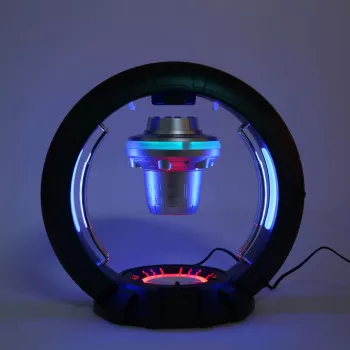
- Levitating Bluetooth Speaker — a centerpiece-style audio gadget that doubles as a functional display.
- Height Adjustable Kids Desk and Chair Set with Tilt Desktop & Storage — a practical companion gift for a study space refresh.
- Explore Brighter Ideas with Google Gemini | Digital Guide on How to Use Google Gemini for Work, Study, and Creativity — a lightweight add-on for anyone building a smarter workflow.
FAQ
Does a levitating Bluetooth speaker need to stay plugged in to float?
Usually, yes—the base typically needs to be powered to maintain stable levitation. The floating speaker may have its own battery for audio playback, but the “floating” effect generally depends on the powered base.
Can the magnets damage phones, cards, or other electronics?
They can, if placed too close for too long—especially magnetic-strip cards and some sensitive devices. Keep cards and older magnetic storage away from the base area, avoid resting a phone directly on the base, and follow the manufacturer’s distance and safety guidance.
Why does the audio cut out even when Bluetooth is connected?
Cutouts are commonly caused by interference, obstacles (metal shelves, monitors), or pushing the usable range too far. Move the phone closer, “forget” and re-pair the speaker, and reduce nearby Bluetooth/Wi‑Fi congestion if multiple devices are competing.






Leave a comment