Extra-Large Portable Camping Toilet for Adults: Clean & Stable
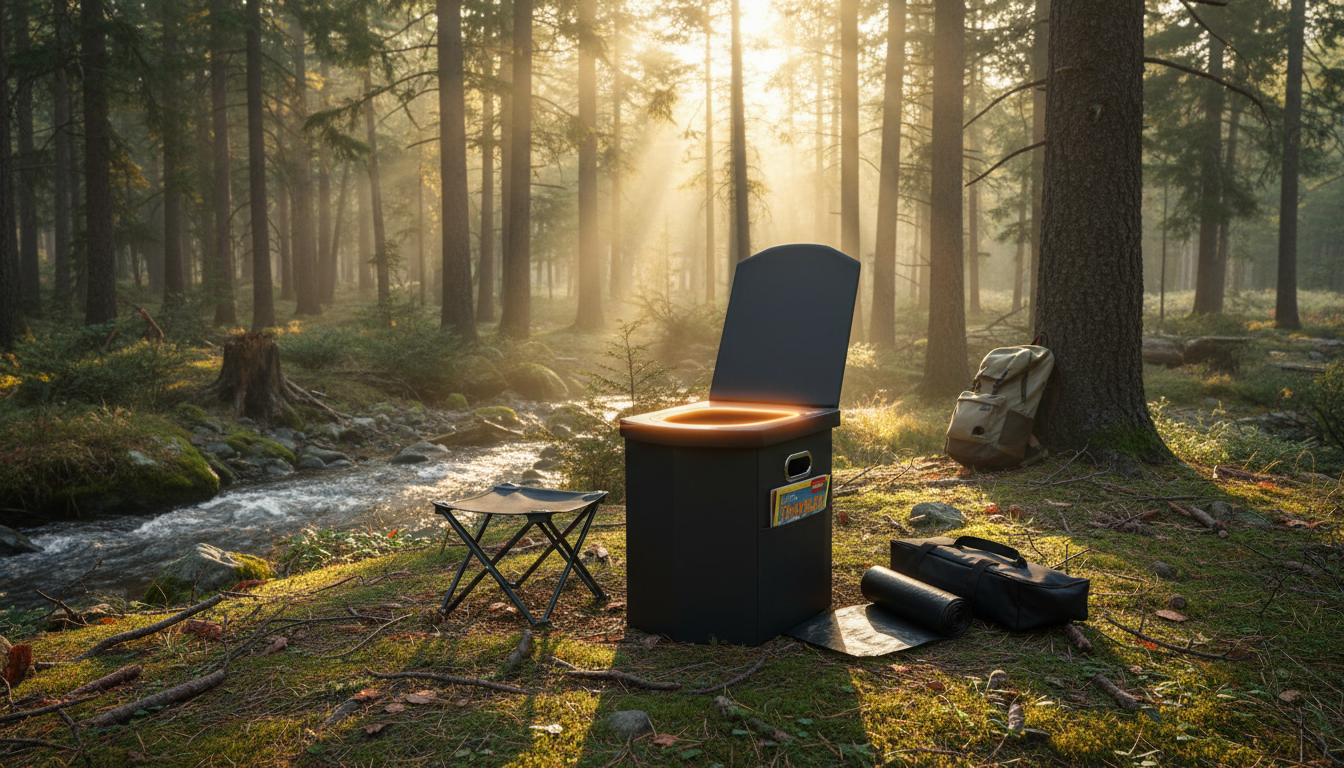
Extra Large Portable Camping Toilet for Adults: Comfort, Stability, and Clean Camps
A reliable camp toilet can turn long road trips, remote campsites, and emergency situations into a much more comfortable experience. The biggest difference comes down to space, stability, easy cleanup, and responsible waste handling—especially when you want an adult-size, chair-height option that feels secure and simple to manage day after day.
Why an Extra-Large Portable Toilet Makes a Difference
When a portable toilet is sized for adults, it stops feeling like a last-resort workaround and starts feeling like a practical part of camp life.
- More room and a more natural posture: A wider seat and a higher, chair-like height can reduce strain on knees and hips compared with small buckets or low squat setups.
- Improved stability: A broader stance and sturdier frame help on uneven ground—especially at night, in wet grass, or in gusty conditions.
- More usable capacity: Extra capacity matters for long weekends, group trips, or places where you can’t dispose of waste frequently.
- Cleaner campsites: A dedicated toilet setup reduces improvised solutions and helps keep common areas more sanitary.
Ideal Use Cases
- Car camping, overlanding, and RV overflow: Great when restrooms are far away, closed, or simply inconvenient.
- Hunting and fishing trips: Quick setup and privacy without trekking back to camp.
- Festivals and tailgates: A dependable backup when lines are long or facilities are limited.
- Emergency preparedness: Helpful during storms, water outages, or plumbing disruptions.
- Nighttime family needs: A stable, chair-height option is easier for adults who don’t want to balance on a low bucket in the dark.
Key Features to Look For in an Adult-Size Camp Toilet
- Seat height and comfort: Look for a supportive seat that feels closer to a home toilet than a bucket rim.
- Weight capacity and stability: Prioritize a reinforced frame and non-slip feet (or a wide base) to reduce wobble.
- Waste containment: Use compatible liners, a secure lid, and a design that minimizes spills when you move or pack it away.
- Odor control: A lid that closes firmly plus compatibility with absorbent media (gelling/odor-control packets) keeps things more manageable.
- Portability: Folding designs, carry handles, and compact storage footprints are ideal for trunks and gear bins.
- Ease of cleaning: Smooth surfaces and fewer crevices mean faster wipe-downs and less lingering odor.
Setup and Daily Use (Simple Routine)
A consistent routine keeps mess and odors low and makes disposal less stressful.
Hygiene, Odor Control, and Cleanup
- Hand hygiene: Use soap and water when available; otherwise use sanitizer and then wash properly at the first opportunity. For best practices, see CDC guidance on handwashing.
- Wipe-down routine: Clean the seat and touchpoints daily with disinfecting wipes; let surfaces dry before closing the lid.
- Odor control habits: Keep the lid closed, remove bags regularly, and store used bags in a sealed container until disposal.
- Avoid cross-contamination: Keep toilet supplies separate from cooking gear; store downwind when practical.
- Spill readiness: Pack spare gloves and a small roll of paper towels so a minor mishap stays minor.
Waste Disposal and Campsite Rules
- Follow local regulations: Some areas require packing out all human waste. A good baseline is the Leave No Trace guidance on disposing of waste properly.
- Use appropriate disposal points: Campground trash policies differ; follow posted rules or ask staff when unsure.
- Pack-out best practices: Double-bag, seal tightly, and store in a rigid container to prevent punctures and odor leaks.
- Respect water sources: Keep waste far from lakes, streams, and high-use areas; avoid burying waste where prohibited.
- Plan ahead: Bring enough liner bags and odor-control media for the whole trip plus extras for delays.
Quick Comparison: Popular Portable Toilet Styles
| Type | Comfort for adults | Odor control approach | Best for | Trade-offs |
|---|---|---|---|---|
| Extra-large folding toilet | High (chair-like seat) | Lid + liners + absorbents | Car camping, overlanding, emergencies | Requires steady supply of bags/absorbents |
| Bucket toilet | Medium to low | Liners + absorbents | Short trips, backup use | Lower height; can feel unstable |
| Cassette/chemical toilet | High | Sealed tank + chemicals | RVing, longer stays with dump access | Heavier; requires dumping/cleaning routine |
| Bag-only system | Low to medium | Self-contained bag treatment | Ultralight backup, quick stops | Less stable; limited comfort |
Care, Storage, and Longevity
Product Spotlight: Extra Large Portable Camping Toilet for Adults
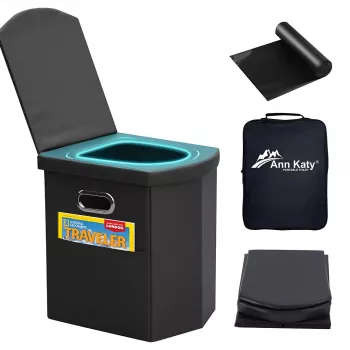
If you want a stable, adult-friendly setup that’s easy to keep clean, the Extra Large Portable Camping Toilet for Adults is built for comfort with an extra-large seating area and a practical folding design for transport and storage. It pairs well with liner bags and odor-control/absorbent media for simpler handling and disposal, whether you’re car camping, setting up a hunting camp, or preparing for emergencies.
For camp comfort beyond the restroom setup, consider adding a compact audio option like the RGB Wireless Bluetooth 5.3 Speaker to your gear bin for low-effort entertainment at basecamp.
FAQ
How often should a portable camping toilet bag be changed?
Change the bag based on capacity, odor, and how many people are using it, but for multi-day trips a daily change is a reliable rule of thumb. Tie off and seal tightly each time, and dispose of it according to local campground or land-use rules.
What should be used for odor control in a bag-style camp toilet?
Absorbent materials and odor-control packets (including gelling agents) help reduce smell and make tie-off cleaner. Keeping the lid closed, removing bags regularly, and storing used bags in a sealed container also makes a major difference.
Is it okay to throw used toilet bags in campground trash?
It depends on the campground’s posted rules and local regulations, so check guidance on-site or ask staff. When trash disposal isn’t allowed or is uncertain, pack out sealed bags and use approved waste facilities when available.



Leave a comment