Massage Gun Recovery for Athletes: Less Soreness, Faster
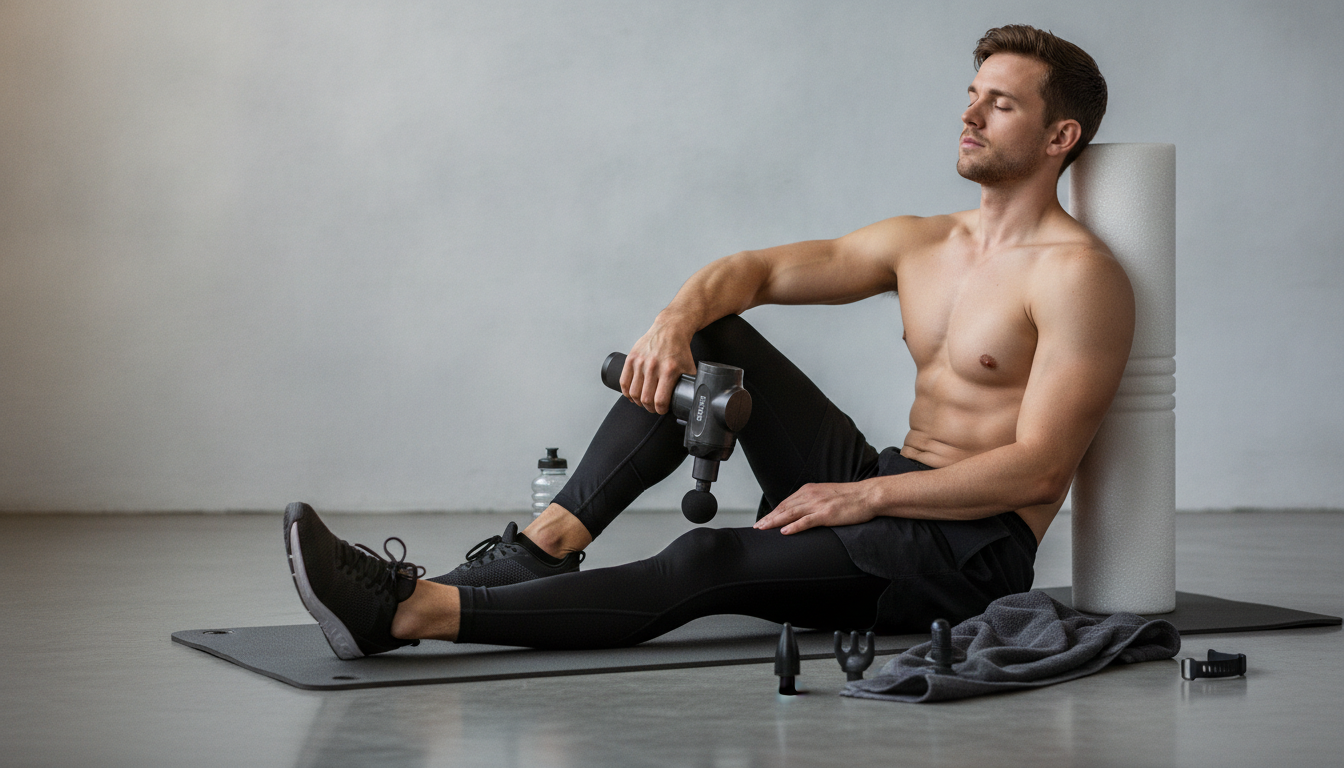
Deep Tissue Massage Gun for Athletes: Faster Recovery, Less Soreness, Better Training Days
Hard training can leave muscles tight, sore, and slow to rebound between sessions. A deep tissue massage gun delivers rapid percussive pulses that help relax stiff areas, support circulation, and make warm-ups and cooldowns more efficient—especially when time, travel, or scheduling makes regular hands-on massage impractical.
What a Massage Gun Does for Athletic Recovery
Percussive therapy is built around quick, repeated pulses applied to muscle tissue. Used well, it can make training days feel smoother—without turning recovery into a second full workout.
- Uses rapid pulses to reduce the sensation of tightness and improve short-term range of motion (helpful before lifting, sprinting, or practice).
- Supports post-workout recovery by helping muscles relax after high-load training, repeated accelerations, or long endurance sessions.
- Useful for pre-training activation: brief, targeted use can help muscles feel more “ready,” especially in hips, glutes, calves, lats, and shoulders.
- Complements (not replaces) fundamentals like sleep, hydration, protein intake, and sensible training volume—guidance often emphasized by organizations like ACSM.
Research summaries and individual studies on vibration/percussive approaches can be found through NCBI, while general massage benefits and safety considerations are outlined by sources like Mayo Clinic.
Who Benefits Most (and When It Helps the Most)
A massage gun can be useful for almost any athlete, but it shines when training is frequent, recovery windows are short, and stiffness builds up in predictable patterns.
- Strength athletes: quads, glutes, lats, and forearms often tighten after heavy compound lifts and high-volume pulling.
- Runners and field-sport athletes: calves, hamstrings, hip flexors, and the IT band region often feel overloaded during high mileage or repeated accelerations.
- Court sports: shoulders, upper back, and calves benefit from brief pre-session activation and a post-session downshift.
- Frequent travelers: quick sessions after long sitting can help reduce stiffness in hips, back, and calves before training or competition.
Deep Tissue Massage Gun for Athletes: What to Look for in Daily Use
Daily usability matters as much as raw power. The best device is the one that’s easy to grab, comfortable to hold, and consistent under real-world pressure.
- Speed settings: lower speeds for sensitive areas; higher speeds for larger muscle groups once tolerance is established.
- Stall force and motor consistency: the head should keep moving with moderate pressure without bogging down.
- Battery life and charging: reliable runtime matters for teams, travel, and multi-day training blocks.
- Noise level: quieter devices are easier to use in shared spaces, gyms, and at events.
- Ergonomics: a comfortable handle and balanced weight make self-treatment on back, glutes, and calves easier.
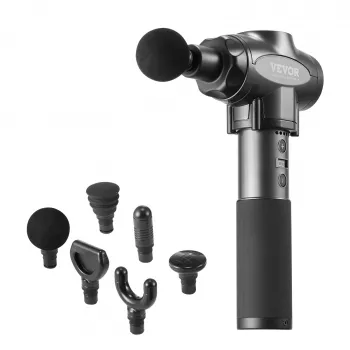
- Attachment heads: different shapes help target large muscles versus smaller trigger-point areas.
Attachment Head Quick Guide
| Attachment type | Best for | Avoid/Use caution |
|---|---|---|
| Ball | Large muscle groups (quads, glutes, pecs) | Bony areas (knees, shins, collarbone) |
| Flat | General use; dense muscles (back, hamstrings) | Direct pressure on joints |
| Bullet/Cone | Targeted knots in thick tissue (glutes, traps) | Neck front/throat; excessive pressure |
| Fork | Along either side of the spine; Achilles/calf area | Directly on the spine or other bones |
Simple Protocols Athletes Can Follow
Consistency beats intensity. Aim for short, repeatable sessions that fit your warm-up and cooldown—especially during heavy blocks when soreness is more noticeable.
- Pre-workout (5–8 minutes): 15–30 seconds per muscle group at a comfortable intensity; prioritize hips, glutes, quads, calves, lats, and shoulders depending on sport.
- Post-workout (8–12 minutes): 30–60 seconds per tight area, staying on muscle bellies and moving slowly.
- Between sessions: short “maintenance” use can help with perceived soreness during heavy training weeks.
- Pressure rule: use moderate pressure; more pressure is not always better—aim for tolerable intensity and controlled breathing.
Sample 10-Minute Full-Body Routine
| Time | Area | How to use |
|---|---|---|
| 1 min | Calves | Slow passes; pause briefly on tight spots |
| 2 min | Quads | Long strokes from mid-thigh to upper thigh |
| 2 min | Glutes/hips | Target outer glute and hip rotators; moderate pressure |
| 2 min | Hamstrings | Avoid back of knee; keep head on muscle belly |
| 2 min | Upper back/lats | Use flat head; reach across body for control |
| 1 min | Shoulders | Light pressure around deltoid; avoid front of neck |
Safety Notes and When to Skip Percussive Therapy
Care, Cleaning, and Long-Term Performance
A Practical Pick for Training and Travel
For athletes who want a simple way to manage soreness and stiffness on busy training schedules, a dedicated device makes recovery easier to keep consistent. See the product listing for details and availability: Deep Tissue Massage Gun for Athletes.
For travel, hotel stays, or locker-room routines, a compact audio option can make mobility work and cooldowns easier to stick with—especially when training solo: RGB Wireless Bluetooth 5.3 Speaker.
FAQ
How often should athletes use a deep tissue massage gun?
Daily light use is typically fine for many athletes, especially in 5–10 minute sessions focused on common tight areas. For targeted recovery, 3–5 times per week often works well; reduce frequency or intensity if tenderness lingers or sensitivity increases.
Is it better to use a massage gun before or after workouts?
Both can be useful: pre-workout, use 15–30 seconds per muscle group to feel looser and more “switched on.” Post-workout, spend 30–60 seconds on tight areas to help muscles relax and to improve comfort during cooldown.
Can a massage gun help with delayed-onset muscle soreness (DOMS)?
It may reduce perceived soreness and make movement feel more comfortable, which can help you keep training quality high. It doesn’t replace fundamentals like sleep and nutrition, and it should be avoided on sharp pain, bruising, or suspected injury.






Leave a comment