2150Wh LiFePO4 Expansion Battery: Runtime Upgrade Guide
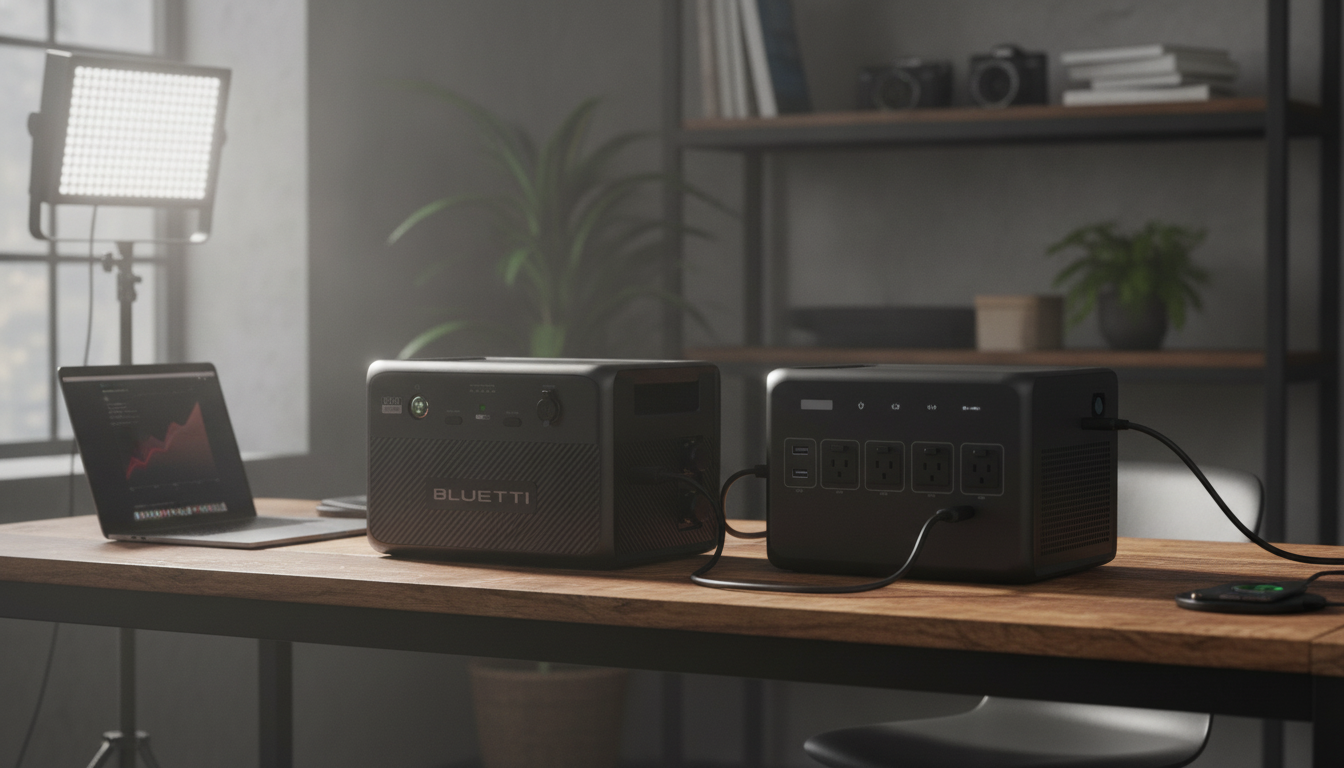
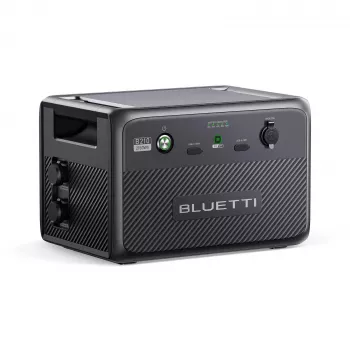
2150Wh LiFePO4 Expansion Battery for Power Station: Longer Runtime for Backup, Camping, and Worksites
Adding an expansion battery is one of the simplest ways to extend a power station’s runtime without changing how appliances are used. A 2150Wh LiFePO4 expansion battery is built for longer-lasting, cycle-stable energy storage and can be a practical upgrade for home backup, RV trips, off-grid cabins, and mobile job sites where extra watt-hours matter.
What a 2150Wh LiFePO4 expansion battery actually adds
An expansion battery primarily adds stored energy—measured in watt-hours (Wh)—to a compatible power station. That means longer runtime for the same devices, but it does not automatically raise the maximum power (watts) your system can output at once.
- Runtime increases; max wattage usually does not. Inverter output and surge rating are determined by the power station’s inverter, not the expansion battery.
- 2150Wh ≈ 2.15kWh of stored energy. Real usable energy is typically a bit lower once inverter/conversion losses and any reserve limits are considered.
- LiFePO4 chemistry is built for stability. LiFePO4 (lithium iron phosphate) is widely used for its cycle life and thermal stability compared with many other lithium chemistries.
- Compatibility matters. Best results come from pairing the battery with a supported power station model and using the correct expansion port/cable type.
Quick runtime planning: turning watt-hours into hours
A practical way to estimate runtime is to convert watt-hours into hours using your average load. A simple rule of thumb:
Runtime (hours) ≈ Battery Wh × efficiency ÷ Load watts
In real use, overall system efficiency often lands around 80–90% depending on whether you’re running AC through the inverter, using DC ports directly, operating in cold/heat, and how the unit manages reserve capacity. For background on energy efficiency concepts, see the U.S. Department of Energy’s Energy Saver resources.
Example runtimes using 2150Wh (assuming 85% system efficiency)
| Device/Use Case | Approx. Load (W) | Estimated Runtime |
|---|---|---|
| Wi‑Fi router + modem | 20W | ≈ 91 hours |
| Laptop charging + small monitor | 60W | ≈ 30 hours |
| 12V fridge (average draw) | 45W | ≈ 41 hours |
| CPAP (without heated humidifier) | 40W | ≈ 46 hours |
| LED lighting for a room | 30W | ≈ 61 hours |
| Microwave (intermittent) | 1000W | ≈ 1.8 hours total run time |
| Space heater (not recommended for long use) | 1500W | ≈ 1.2 hours |
High-surge devices (compressors, pumps, many power tools) are mostly limited by the power station’s inverter surge capability. The expansion battery’s main benefit is keeping the system running longer once the device is operating normally.
When an expansion battery is the right upgrade (and when it isn’t)
- Great fit when energy is the bottleneck: Your current setup has enough wattage to run devices, but it runs out of charge before morning or before a work shift ends.
- Great fit when solar is available but storage is short: If panels can produce more power than you can store, extra battery capacity helps capture those sunny-hour gains (for sizing considerations, NREL’s solar and storage resources are a useful reference).
- Less helpful when output power is the bottleneck: If the inverter can’t handle the appliance wattage or startup surge, more battery won’t solve it.
- Less helpful when portability is the priority: 2kWh-class batteries add weight and take up storage space, which matters for tight cargo setups.
Compatibility checkpoints before buying
Pre-purchase checklist
| Checkpoint | What to look for | Why it matters |
|---|---|---|
| Expansion port support | Dedicated expansion battery port on the power station | Ensures the battery can connect and be managed safely |
| Cable/connector match | Correct manufacturer cable or supported equivalent | Prevents overheating, errors, or non-detection |
| Max expansion capacity | Limit on number of batteries or total Wh | Avoids buying capacity the system can’t use |
| Charging method | AC, solar, alternator behavior with expansion attached | Sets expectations for recharge time |
| Temperature range | Operating and charging temperature limits | Protects cycle life and reduces shutdown risk |
LiFePO4 benefits for backup power and frequent cycling
- Cycle durability: LiFePO4 batteries typically hold usable capacity longer across repeated cycles compared with many traditional lithium-ion packs.
- Safety profile: LiFePO4 is generally more resistant to thermal runaway than some other lithium chemistries, though safety still depends on a quality BMS and proper charging.
- Better match for routine use: Daily solar cycling, weekend camping, and jobsite runs are all patterns that benefit from longevity-oriented chemistry.
- Storage basics: Store in a cool, dry place and follow the maker’s guidance for long-term state-of-charge and periodic top-offs (Battery University offers general battery care references at batteryuniversity.com).
Setup, charging, and care tips that protect capacity
Recommended in-stock gear
- 2150Wh LiFePO4 Expansion Battery for Power Station — a 2150Wh-class capacity boost designed to extend runtime for backup, travel, and worksites.
- RGB Wireless Bluetooth 5.3 Speaker — a small comfort add-on for camps and tailgates that’s easy to power from USB/DC ports.
Product option: 2150Wh LiFePO4 Expansion Battery for Power Station
| Item | Details |
|---|---|
| Name | 2150Wh LiFePO4 Expansion Battery for Power Station |
| Price | 1732.65 USD |
| Availability | In stock |
FAQ
How long will a 2150Wh expansion battery run a refrigerator?
It depends on the fridge’s average watts (including duty cycle), but many 12V fridges average roughly 40–80W over time. Using 80–90% system efficiency, a 2150Wh expansion battery often lands around 20–45 hours, with room temperature and door openings making a noticeable difference.
Does an expansion battery increase the maximum wattage a power station can output?
No. An expansion battery increases stored energy (runtime), but the power station’s inverter determines maximum wattage and surge capability.
Can a LiFePO4 expansion battery be left plugged in all the time?
Many systems are designed to manage connected expansion batteries automatically, but best practice is to follow the manufacturer’s guidance, keep the setup out of excessive heat, and stay current on any firmware requirements. Periodic cycling can be beneficial on some systems, especially if the battery sits at a high state-of-charge for long stretches.





Leave a comment