21-in-1 All-in-One Beard Trimmer Kit: Clean Neckline
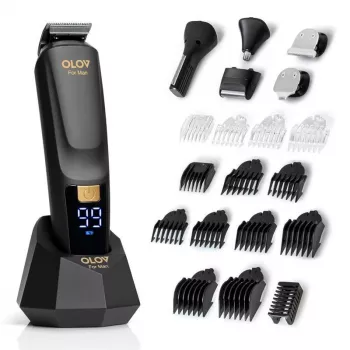
21-in-1 Beard Trimmer & All-in-One Grooming Kit: Clean Lines, One Compact Setup
A multi-attachment grooming kit can replace a drawer of tools—if it’s comfortable to hold, easy to clean, and precise enough for beard edging, body touch-ups, and quick travel trims. The goal isn’t just “shorter hair”; it’s consistent length, neat borders, and a routine that doesn’t punish your skin. Below is a practical breakdown of what a 21-in-1 style kit is built to handle, which features make the biggest day-to-day difference, how to get a barbershop-clean neckline at home, and the maintenance habits that keep performance steady. For more guidance, see Best Beard Trimmer for You.
What a 21-in-1 grooming kit is designed to handle
Most all-in-one trimmer kits earn their keep by covering the “maintenance” zone: keeping a beard shaped, lines crisp, and stray hair under control without juggling multiple devices. For further reading, see Professional Hair Clippers for Men Beard Trimmers Kit ….
- Beard trimming for stubble, short beards, and longer lengths using guided combs/guards.
- Detail work like neckline cleanup, cheek line shaping, and sideburn blending.
- Body grooming with safer, controlled trimming (helpful for touch-ups; not a direct substitute for a dedicated foil shaver).
- Nose/ear touch-ups using a small rounded head where included.
- Travel convenience with fewer tools to pack and fewer chargers to remember.
Highlights that matter day-to-day
On paper, “21-in-1” sounds like it’s all about quantity. In real use, comfort and control matter more than the attachment count.
- Precision options: Multiple heads/guards should support both bulk trimming and close detailing without forcing awkward angles.
- Control and comfort: Grip texture, weight balance, and head size affect accuracy around the jaw, under the chin, and at the neckline.
- Cleaning simplicity: Removable heads are usually easier to rinse and brush out than fixed blade setups.
- Battery practicality: Cordless use is simpler for bathrooms without an outlet near the mirror; quick touch-ups become genuinely quick.
- Storage: A single case or stand reduces clutter and helps prevent guards from getting lost or bent.
What’s typically included and what each piece is for
While exact contents vary by kit, most sets include a core trimmer body plus heads and guards that cover bulk trimming, edging, and targeted cleanup.
- Full-size trimmer head: The main tool for beard and general grooming.
- Detail/precision head: For crisp edges at the neckline, moustache lines, and tight corners around the mouth.
- Nose/ear head: For quick cleanup with a rounded, safer profile.
- Adjustable combs/guards: For consistent lengths, blending, and maintenance trims.
- Cleaning brush and/or rinse-friendly components: Helps prevent tugging and uneven cutting caused by packed hair.
- Charging cable/adapter: Useful to keep one dedicated in the bathroom and another in a travel kit (depending on what’s included).
Common attachments and best uses
| Attachment | Best for | Quick tip |
|---|---|---|
| Full-size trimmer head | Bulk beard trimming, general grooming | Trim with the grain first, then refine against the grain for final shaping if skin tolerates it. |
| Precision/detail head | Neckline, cheek line, moustache edges | Use short strokes and stretch the skin slightly for cleaner lines. |
| Nose/ear head | Nose and ear hair | Trim only what’s visible—avoid going too deep to prevent irritation. |
| Comb guards (multiple sizes) | Length consistency and blending | Start longer than needed; step down one guard at a time. |
| Body grooming attachment (if included) | Chest/arms/legs touch-ups | Keep skin taut and move slowly to reduce snagging. |
How to get a barbershop-clean neckline at home
A clean neckline is the difference between “trimmed” and “sharp.” The trick is choosing a natural line, then blending above it so it doesn’t look stamped on.
Skin comfort: reducing irritation, bumps, and tugging
Trimmers are generally kinder than razors, but irritation can still happen—especially around the neck where hair often grows in different directions. If bumps and ingrowns are a recurring issue, guidance from the American Academy of Dermatology Association and the Cleveland Clinic is consistent: reduce friction, avoid overly close cutting, and keep the area clean.
Cleaning and maintenance for longer blade life
A solid pick for a single-tool grooming setup
Product to consider: 21-in-1 Beard Trimmer & All-in-One Grooming Kit (in stock).
For a small upgrade to the get-ready routine—especially when traveling—pairing a compact grooming kit with a portable audio option like the RGB Wireless Bluetooth 5.3 Speaker can make quick trims feel less rushed and more consistent.
FAQ
Can a multi-attachment trimmer replace a razor for a clean shave?
Usually not. Trimmers typically leave short stubble rather than a skin-smooth finish, so a foil shaver or razor is still the go-to for a fully clean shave. The trade-off is comfort and speed: trimmers are often faster and less irritating for everyday maintenance.
How often should trimmer blades be cleaned or oiled?
Brush out hair after every use, and rinse washable heads as needed—then dry them completely before reattaching. If the manufacturer allows, apply a tiny amount of clipper oil occasionally to reduce friction and keep cutting smooth.
What guard length should be used to avoid trimming too short?
Start with a longer guard than you think you need, check the result in good lighting, then step down one guard at a time. As a quick blending rule: keep lengths slightly longer on the cheeks and shorten gradually as you move toward the neckline.





Leave a comment