120W Portable Bluetooth Speaker: Deep Bass, LEDs, Power
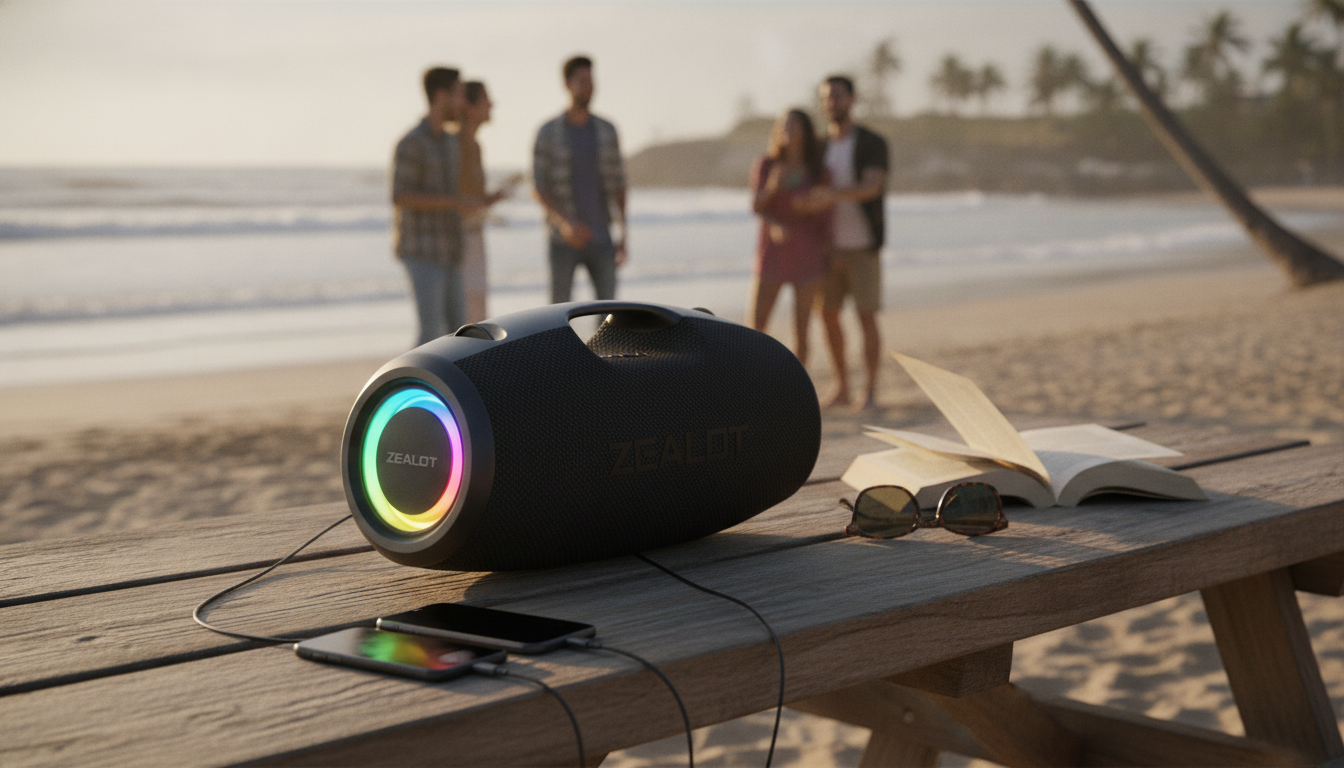
120W Portable Bluetooth Speakers in Real Life: Big Sound Without the Big Setup
A high-output portable speaker can take the place of a small party rig—if it keeps music clean when the volume climbs, delivers bass that doesn’t turn to mud, and adds practical extras like lighting and phone charging. A 120W-class portable Bluetooth speaker with deep bass, LED modes, and a built-in power bank is designed for exactly those “bring the vibe anywhere” moments, from backyard hangouts to garage workouts.
If you’re shopping for a strong all-in-one option, the 120W Portable Bluetooth Speaker with Deep Bass, LED Lights & Power Bank is built around output and convenience. If you want a more compact, budget-friendly backup for a desk, bedroom, or small get-together, consider the RGB Wireless Bluetooth 5.3 Speaker.
What a 120W portable speaker changes in real listening
Raw wattage isn’t the full story, but a higher-power design usually gives you something that matters more than “maximum loudness”: headroom. That headroom is what helps music stay clear and less strained when you push volume into party territory—especially with bass-heavy tracks.
Deep bass is also easier to feel when the cabinet has enough size and tuning to support it. In practice, “deep bass” tends to be most obvious at closer distances (a few feet away) and in smaller outdoor clusters, where the speaker doesn’t have to fight the open air as much.
In apartments and smaller rooms, a powerful speaker often lives around 20–40% volume. At that point, the deciding factor becomes balance: do vocals sit forward enough, is the kick drum defined, and does the low end stay controlled instead of blooming into a one-note thump?
Outdoors, you’ll usually run higher volume to get the same energy. One easy trick: placement. Setting the speaker near a wall or solid object can add perceived low-end through boundary reinforcement, which can make the sound feel fuller without always turning up.
Deep bass in a portable speaker: what helps and what to watch
Portable speakers get convincing bass through a combination of driver size, cabinet volume, and porting. When these elements work together, you get low end that extends without obvious distortion. When they don’t, the bass may sound impressive at first but fall apart when the volume rises.
Bass boost modes can be fun for modern genres, but they can also eat into battery life and reduce clarity at higher levels. If your speaker offers EQ or tone controls, the best approach is usually to set your overall volume first, then add only as much bass emphasis as the track and space can handle.
For outdoor parties, tight bass (kick drum definition and rhythm) often matters more than ultra-low rumble—because the very lowest frequencies dissipate quickly in open air. Indoors, the opposite problem can happen: bass builds up in corners and makes vocals sound recessed. In that case, pulling the speaker slightly away from walls can clean up the whole mix.
Quick adjustments for better bass and clarity
| Situation | Try this | Why it helps |
|---|---|---|
| Boomy bass indoors | Move the speaker 1–2 ft away from walls/corners | Reduces low-frequency buildup from reflections |
| Bass disappears outdoors | Place near a wall or solid object | Adds boundary reinforcement for low-end |
| Distortion at high volume | Lower bass boost / EQ low-end down | Frees amplifier headroom for cleaner playback |
| Vocals not clear | Reduce bass and increase mids slightly (if available) | Brings speech and vocals forward |
LED light modes: when they add value (and when to turn them off)
LED effects aren’t just decoration. At night, they improve visibility (people can see where the speaker is) and they create instant atmosphere on patios, in garages, and around small gatherings. The most useful speakers offer multiple modes—steady, beat-synced, and subdued—so you can match the mood instead of being locked into “club mode” all the time.
Lighting does consume power, though. If you’re planning a long afternoon session, turning LEDs off (or switching to a dim/static option) often stretches play time noticeably, especially when paired with higher volume.
Built-in power bank: practical charging without ruining the vibe
Connectivity and control checklist for everyday use
Bluetooth performance isn’t only about advertised range. Interference, walls, and crowded wireless environments change real stability. Newer Bluetooth versions can improve efficiency and connection behavior, and you can reference the official Bluetooth Core Specification (Bluetooth SIG) for how standards evolve over time.
Where this style of speaker fits best
At-a-glance feature summary
| Feature | What it does | Who benefits most |
|---|---|---|
| 120W-class output | More headroom for louder, cleaner playback | Outdoor gatherings, larger rooms |
| Deep bass tuning | Stronger low-end presence for beats and kick drums | Pop, hip-hop, EDM listeners |
| LED light modes | Adds mood lighting and visual rhythm | Evening hangouts, parties |
| Power bank | Charges a phone or small device from the speaker battery | Travel, picnics, tailgates |
Getting started tips for better sound on day one
If you plan to use the charging feature often, it’s worth understanding basic USB charging behavior from the USB Battery Charging Specification (USB-IF), since cable quality and power profiles can affect charge speed and stability.
FAQ
Does turning on LED lights reduce battery life noticeably?
Yes. LED lighting draws extra power, so using dim/static modes or turning the lights off can extend play time, especially when listening at higher volumes.
Can the speaker charge a phone while music is playing?
Generally yes. Keep in mind that charging and loud playback together can reduce total runtime, so it’s smartest to top up phones for essentials instead of doing full charging cycles.
How can bass be improved outdoors without raising volume too much?
Place the speaker near a wall or solid object and elevate it off the ground to improve projection. Avoid extreme bass boost settings that can eat headroom and cause distortion.







Leave a comment