Sturdy Cat Tree Tower: Thick Sisal Posts & Flower Bed
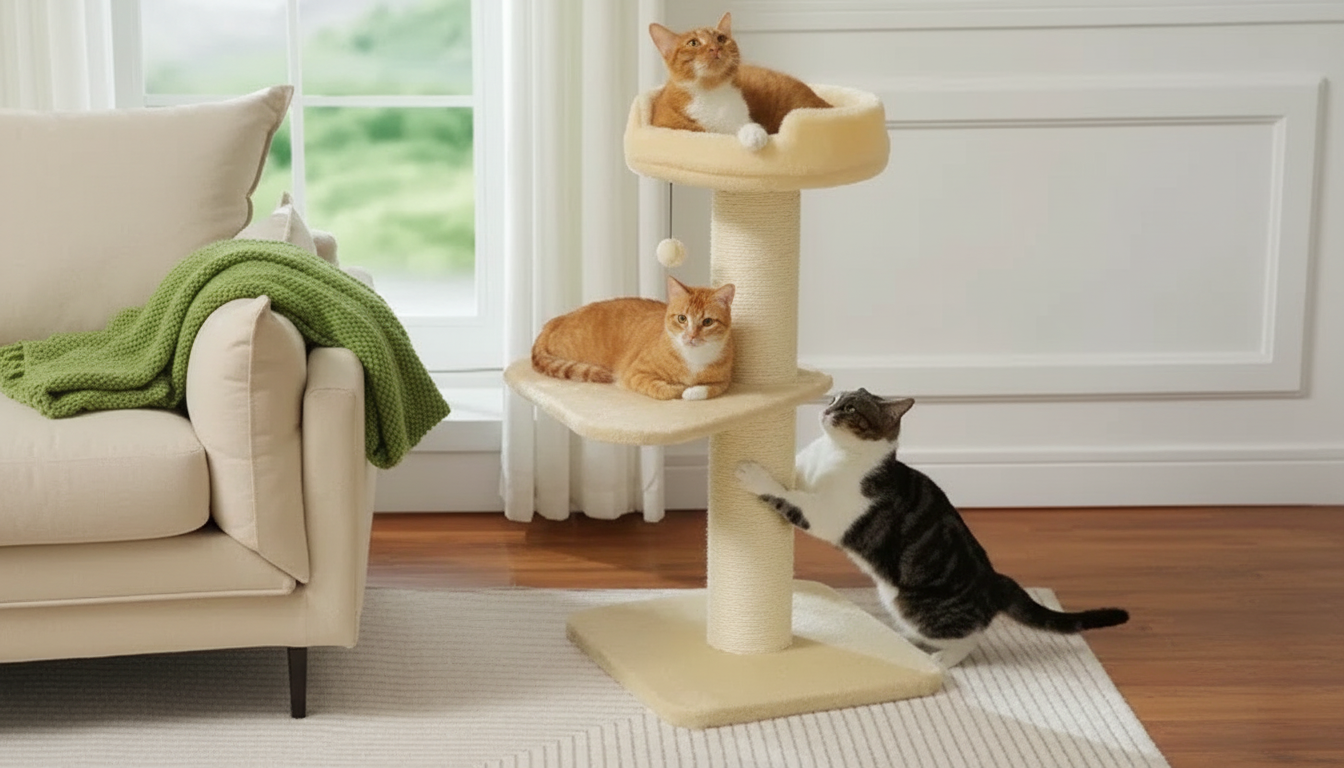
Cat Tree Tower with Thick Sisal Scratching Posts & Plush Flower Bed for Large Cats
A sturdy cat tower can reduce boredom, protect furniture, and give cats a comfortable place to perch and nap. This design combines thick sisal scratching posts, stable platforms, and a plush flower-shaped bed made for cozy lounging—especially helpful for bigger cats that need more support and a steadier climb.
Along with a dedicated place to scratch, climb, and settle in, a well-placed tower can support healthier daily routines like stretching, observation, and stress-relief behaviors. For general cat care and enrichment basics, resources like the American Veterinary Medical Association (AVMA) cat care guide and the ASPCA cat care resources are helpful references.
What Makes This Cat Tree Tower Stand Out
- Thick sisal-wrapped scratching posts encourage healthy claw care and provide a satisfying texture for daily scratching.
- Plush flower-shaped bed offers a soft, supportive nap spot that helps cats feel secure.
- Vertical layout creates a dedicated climbing and perching zone without taking over the room.
- Multi-use design supports play, scratching, lounging, and observation in one compact setup.
If the goal is fewer claw marks on the couch and more predictable cat “traffic” in the home, a tower that combines scratching zones and resting zones often gets used more consistently than a single-purpose scratcher.
Comfort and Support for Larger Cats
Bigger cats tend to jump with more force and put more torque into scratching posts, so comfort is only half the story—support and stability are what keep the tower in regular rotation. A plush bed is more appealing when it’s paired with sturdy platforms that don’t shift when a cat steps, turns, or flops down.
- Look for stable footing: larger cats benefit from wide, steady bases and well-balanced platforms.
- Soft resting zones matter: plush surfaces can help reduce pressure points during longer naps.
- A defined bed shape helps: a flower-style “nest” can make curl-up naps feel more secure.
- Multi-cat households: enough resting options can reduce guarding and “who gets the best spot” tension.
Quick Fit Check for Bigger Cats
| What to check | Why it matters | What to look for |
|---|---|---|
| Base stability | Prevents wobble during jumps | A wide base and sturdy build |
| Post thickness | Handles heavier scratching and climbing | Thicker, well-wrapped sisal posts |
| Bed support | Improves comfort for heavier cats | Plush bed with a supportive shape |
| Platform spacing | Makes climbing safer and easier | Gradual step-up layout |
Scratching Behavior: How Thick Sisal Posts Help
Scratching is normal cat behavior—not a “bad habit.” Cats scratch to stretch their shoulders and back, help maintain claw condition, and leave visual and scent markers. The most effective furniture-protection strategy is making the preferred scratching surface more appealing and more convenient than the couch.
- Cats scratch to maintain claw condition, stretch muscles, and mark territory.
- Sisal is a popular scratching material because it’s grippy and durable compared with many soft fabrics.
- Place the tower in a high-traffic area or near a favorite resting zone to increase regular use.
- Reinforce good habits by rewarding use of the scratching posts and redirecting from furniture immediately.
International Cat Care has a clear overview of why cats scratch and how to set up the right outlets for it: International Cat Care — Scratching Behaviour.
Where This Tower Fits Best at Home
Placement can make or break how often a tower gets used. A beautiful cat tree tucked into a low-traffic corner may become background furniture, while the same tower placed near daily “cat routes” can become the default hangout.
- Near a window for “cat TV”: many cats prefer a perch with a view.
- In the main living area: encourages use and reduces attention-seeking scratching elsewhere.
- Away from fragile décor: helpful if the household includes high-energy jumpers.
- On a flat surface: add a non-slip mat if floors are slick.
For households with larger cats, avoiding “tight corner” placement can also help—cats often like a clear line of sight and enough room to hop up and down without bumping nearby furniture.
Assembly, Care, and Long-Term Use
- Re-check hardware: tighten after initial setup and periodically, especially in multi-cat homes.
- Keep plush areas clean: vacuum regularly to reduce hair buildup; spot-clean with a pet-safe cleaner.
- Refresh interest: rotate or reposition the tower if cats seem bored or shift scratching elsewhere.
- Monitor sisal wear: heavy use is a good sign, and frequent scratchers may wear wrap faster.
Options to Compare from the Same Shop
Quick Comparison
| Product | Best for | Link |
|---|---|---|
| Cat Tree Tower with Thick Sisal Scratching Posts & Plush Flower Bed for Large Cats | Scratching + climbing + plush lounging | View product |
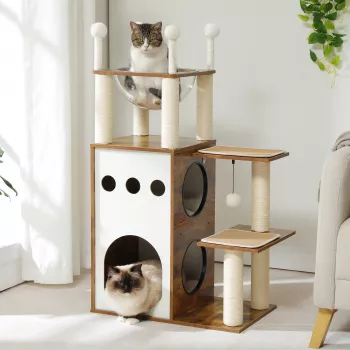
| Monster-Themed Cat Tree Tower | Playful look with tower-style activity | View product |
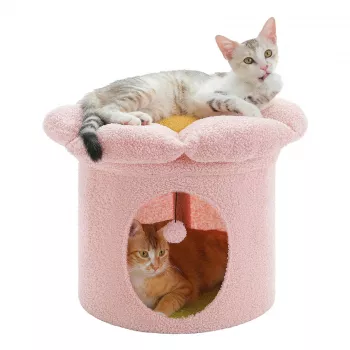
| Large Indoor Cat House with Removable Flower Bed | Cozy hiding + removable bed comfort | View product |
FAQ
Will a plush flower bed be comfortable for a large cat?
Yes—larger cats often do best with a defined, supportive resting area that lets them curl up without sliding off a flat perch. For the best experience, confirm the tower feels stable under your cat’s weight and place it where your cat already likes to nap.
How can a cat be encouraged to use the scratching posts instead of the couch?
Put the tower close to the current “problem” scratching spot, then reward scratching on the sisal with praise or a small treat. Redirect gently and immediately when your cat reaches for the couch, and keep the posts in easy-to-access, high-traffic areas.
Where should a cat tower be placed for the most use?
Most cats use towers more when they’re near a window, in the main family area, or close to favorite nap zones. Place it on a flat, stable surface with enough clearance for safe jumping, and keep it away from fragile items if your cat launches with enthusiasm.




Leave a comment