Wireless Tire Inflator Pump Guide: Features, Use & Tips
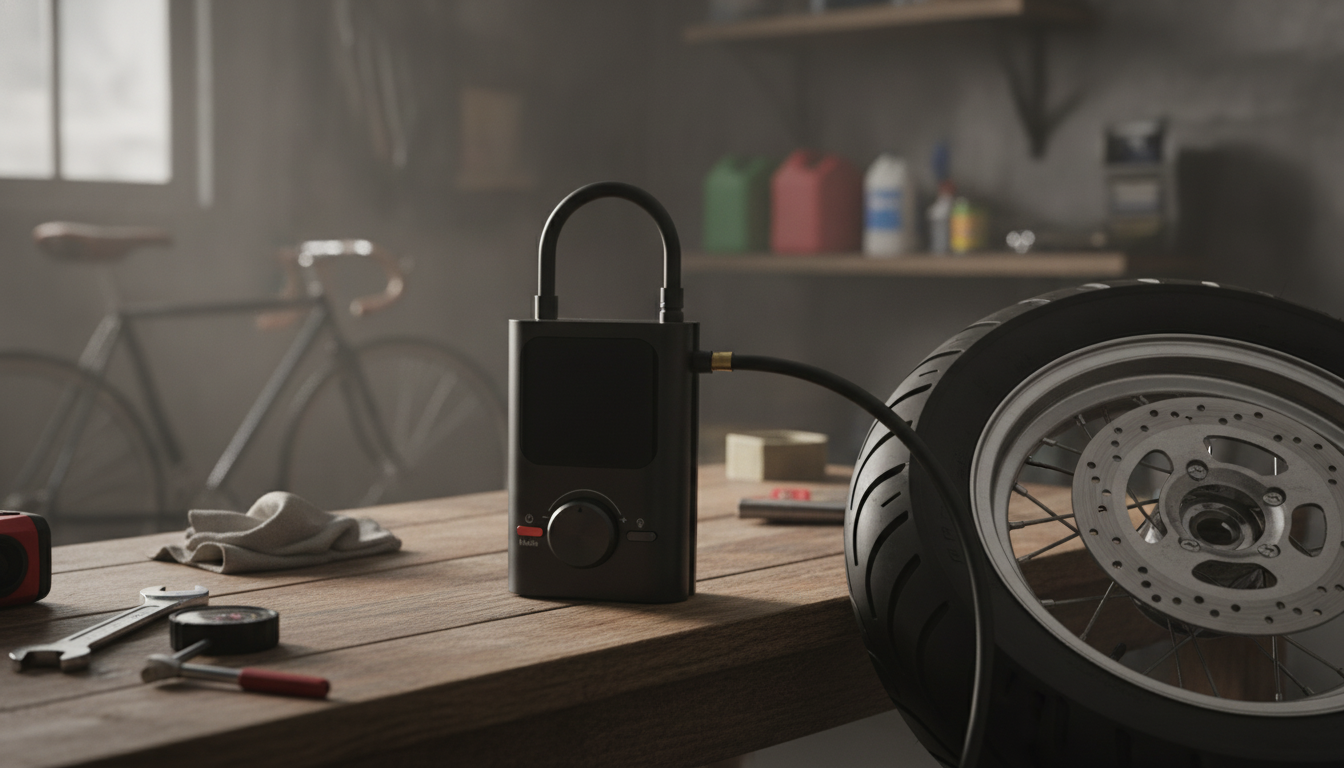
Wireless Electric Tire Inflator Pump: Cordless Air for Cars, Bikes, and More
A compact inflator that runs without a power cord can turn a slow leak or seasonal pressure drop into a quick stop instead of a roadside headache. A wireless electric tire inflator is built for convenience: grab it from the trunk, set a target PSI, and top off where you’re parked. Below is a practical guide to where cordless inflators shine, which features are worth paying for, and how to use one accurately and safely.
Why a Cordless Inflator Belongs in the Car
Tires naturally lose a little air over time, and temperature swings can make pressures drop faster than many drivers expect. A cordless inflator helps you handle common top-offs without detouring to a gas station or hoping the air hose is working when you arrive.
- Handles everyday pressure drops from cold snaps, heat waves, and normal seepage.
- Useful for topping off tires before highway driving, heavy loads, or long trips.
- Reduces downtime: quick corrections can be done in a driveway, parking lot, or trailhead.
- Supports preparedness kits alongside a tire gauge, flashlight, and basic tools.
For drivers who keep odd hours or commute in areas with fewer service stations, the biggest win is control: you can correct low pressure on your schedule instead of when a warning light forces the issue.
Typical Use Cases Beyond Car Tires
A good cordless inflator earns its keep beyond sedans and SUVs. With the right adapters and a steady digital readout, it can cover several common household and recreation needs.
- Bicycle tires: higher-pressure road tires benefit from controlled fill and frequent small adjustments.
- Motorcycle and scooter tires: quick checks and top-offs before rides.
- Sports balls and inflatables: convenient for home and travel when compatible nozzles are included.
- Spare tires: periodic top-offs keep the spare ready when it’s needed most.
Features That Matter When Choosing a Wireless Inflator
Not all portable pumps feel the same in real use. The best experience usually comes down to a few practical details: how clearly it reads pressure, how reliably it stops at a target, and how easy it is to handle when you’re in a hurry.
- Pressure range and accuracy: a clear digital display is easier to trust than a vague analog needle, especially for small PSI corrections.
- Auto-stop target pressure: helps avoid overinflation and keeps fills consistent across all four tires.
- Battery capacity and charging: consider USB charging and whether the battery holds a useful charge between uses.
- Portability: compact storage, a stable base while running, and a hose long enough to reach valve stems without awkward angles.
- Lighting and visibility: a built-in work light can be a safety upgrade at night or in dim garages.
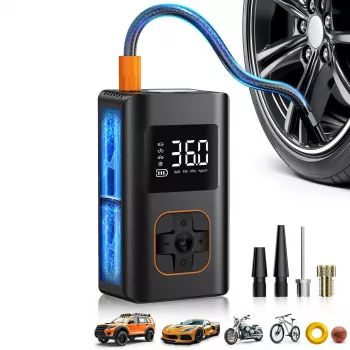
- Attachments: Presta adapters (for many bike valves), ball needles, and inflatable nozzles broaden what the tool can do.
| What to check | Why it matters | Good fit for |
|---|---|---|
| Auto-stop at target pressure | Helps prevent overfilling and keeps all four tires even | Cars, motorcycles, daily top-offs |
| Clear digital display | Reduces guesswork and improves repeatability | Anyone managing multiple vehicles |
| Compact storage | Fits in trunk compartments and emergency kits | Road trips, commuters |
| Multiple adapters | Supports bikes, balls, inflatables | Families, cyclists, recreation |
| Work light | Improves safety and visibility after dark | Nighttime roadside use |
Recommended product picks from our store
If you’re ready to add one to your kit, these in-stock options are available now:
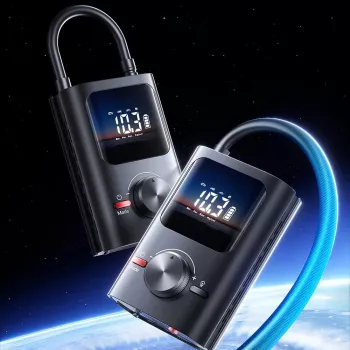
- Wireless Electric Tire Inflator Pump ($78.97) — a convenient cordless option for quick top-offs and routine pressure checks.
- Your Checklist for Writing a Children’s Book (Digital Download) ($2.99) — a handy travel-friendly planner for downtime on trips and long waits.
How to Use a Cordless Tire Inflator Safely and Accurately
Accurate tire pressure starts with using the right reference and measuring at the right time. A few habits make cordless inflators more reliable and help reduce uneven wear.
For general tire-safety guidance and why correct pressure matters, see NHTSA’s tire safety resources and AAA’s tire pressure tips.
Common Situations and Practical Targets
| Situation | What to do now | Next step |
|---|---|---|
| 1–5 PSI below recommended | Top off to the door-placard value | Recheck in a week |
| 10+ PSI low but holds air while inflating | Inflate to recommended pressure | Inspect for nail/sidewall damage; consider professional check |
| Drops again within 24–48 hours | Inflate only to drive safely if needed | Repair or replace; avoid high-speed driving until fixed |
| Sidewall bulge or cut | Do not inflate further | Replace tire immediately |
Care, Storage, and Battery Habits
Consistent pressure also supports efficiency; the U.S. Department of Energy notes benefits to keeping tires properly inflated: FuelEconomy.gov maintenance guidance.
A Simple Upgrade for Everyday Preparedness
FAQ
Can a cordless tire inflator fully inflate a flat tire?
Many cordless inflators can add air from very low pressure, but the time required and whether it finishes the job depend on battery capacity and tire size. If a tire was completely flat, inflate only as needed to move safely and have the tire inspected and repaired before regular driving.
Should tire pressure be set using the tire sidewall number?
No. The sidewall number is the tire’s maximum pressure rating, while the driver-door placard lists the vehicle manufacturer’s recommended cold pressure for normal driving.
How often should tire pressure be checked?
Check monthly and before long trips. Temperature swings can change readings, and consistent checks help reduce uneven wear and unexpected warning lights.



Leave a comment