Power Tower Dip Station: Pull-Ups, Dips & Core at Home
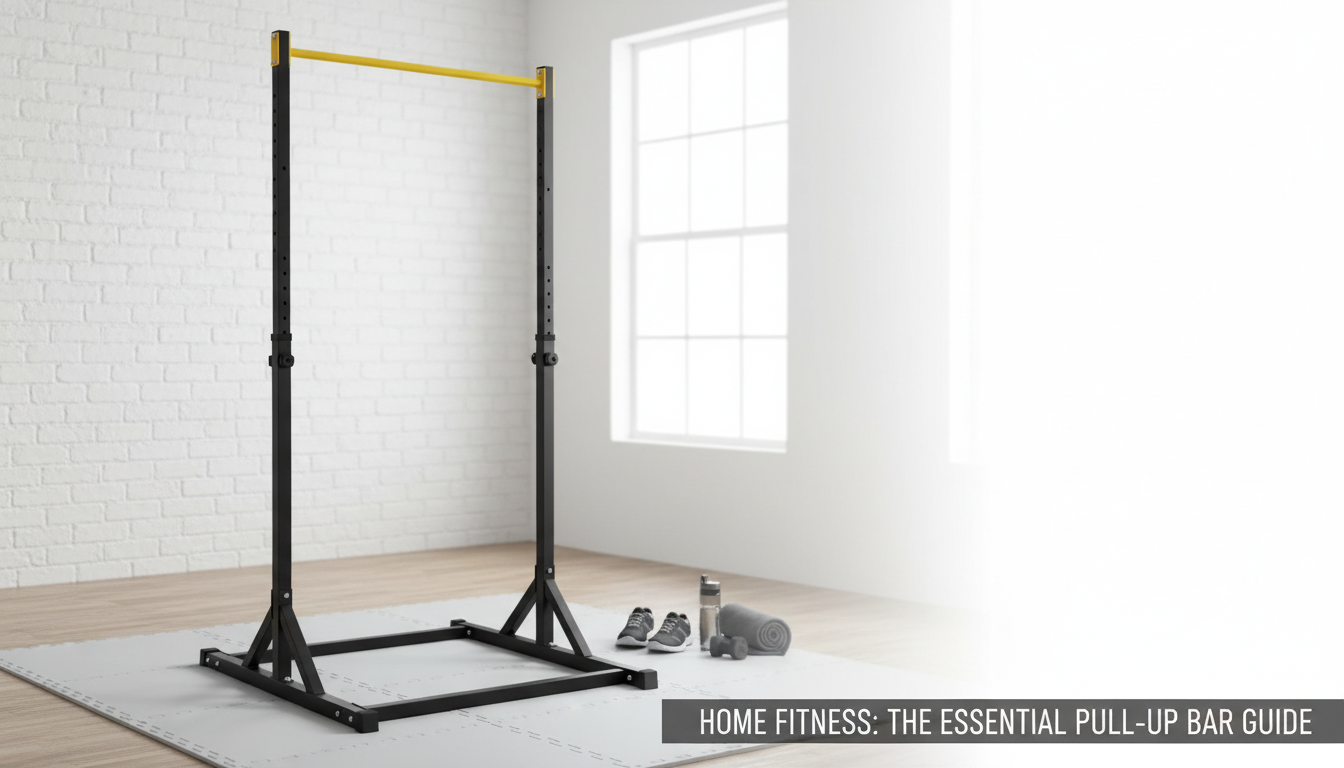
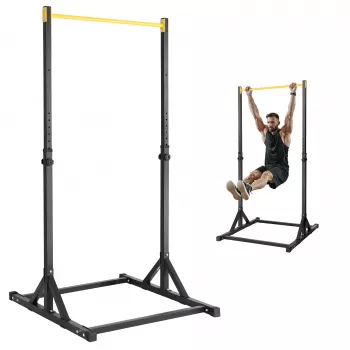
Power Tower Dip Station Pull Up Bar Stand for At-Home Strength Training
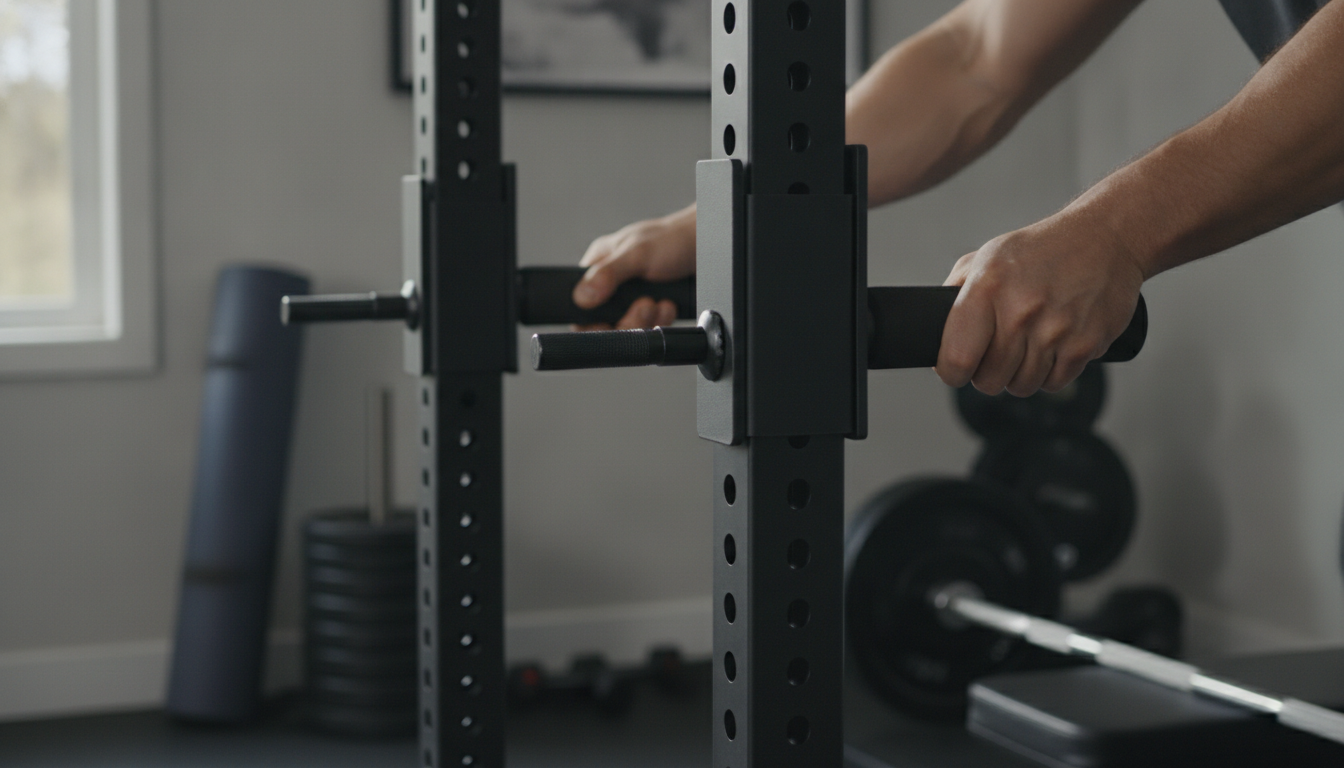
A power tower combines pull-ups, dips, knee raises, and push-up variations in one vertical station—useful for building upper-body and core strength without a full home gym. If you’re training in an apartment, a shared room, or a small corner of the garage, the right tower can deliver a big range of movement patterns with a relatively small footprint. Below is what a power tower adds, what to check before buying, and how to set it up so it feels solid rep after rep.
What a Power Tower Adds to a Home Workout
The main advantage of a power tower is how much training variety you get from one station. You can hit vertical pulling (pull-ups/chin-ups), vertical pushing (dips), and focused core work (knee raises) without needing multiple separate pieces of equipment.
- One station, multiple patterns: Pull, push, and core training in one setup makes it easier to plan balanced sessions.
- Space-efficient strength work: A single footprint can replace separate dip bars, doorway pull-up bars, or hanging ab straps.
- Progress-friendly: Bodyweight movements scale well using assistance (bands), slower negatives, shorter ranges of motion, or timed holds.
- Joint-friendlier options: Neutral or angled grips can be more comfortable for wrists and shoulders than a fixed straight bar.
For general strength and health, established guidelines support regular muscle-strengthening activity; helpful references include the CDC’s Physical Activity Guidelines and the American College of Sports Medicine (ACSM) resistance training guidance.
Key Features to Check Before Buying
Two power towers can look similar online but feel completely different once you start dipping or doing knee raises. These checkpoints help you avoid the common “wobble problems” and comfort issues that show up after a week of use.
- Stability and base design: A wider base and non-slip feet reduce rocking during dips and knee raises (especially if you’re tempted to use momentum).
- Height and reach: Confirm the pull-up bar height allows a full dead hang without your feet touching. Also check ceiling clearance if you’re tall.
- Handle comfort and spacing: Padded or textured grips plus enough spacing for narrow/standard/wide grips make longer sessions more practical.
- Back/arm-rest padding quality: Firmer padding typically lasts longer and feels steadier during captain’s chair knee raises.
- Adjustability: Height settings and armrest positions help fit multiple users and make movement transitions smoother.
- Finish and frame thickness: Powder-coated steel generally holds up better to sweat and contact than thin paint.
- Weight capacity: Leave a margin above your bodyweight—especially if you might add a weighted belt later.
If you’re building a small but consistent home program, it can also help to align volume and progression with widely used resistance training principles from organizations like the NSCA.
Quick Comparison: Common Power Tower Workouts and What They Train
| Exercise | Primary muscles | Beginner scaling | Form cue to prioritize |
|---|---|---|---|
| Pull-up / Chin-up | Lats, upper back, biceps | Negatives, band assistance, partial reps | Start from a dead hang; keep ribs down |
| Dip | Chest, triceps, front delts | Assisted dips, smaller range of motion | Shoulders down and back; avoid excessive forward shrug |
| Captain’s chair knee raise | Abs, hip flexors | Bent-knee raises, slower tempo | Posteriorly tilt pelvis; avoid swinging |
| Push-up on handles | Chest, triceps, core | Incline push-ups, reduced depth | Brace midline; keep elbows ~30–45° |
| Isometric hold (top support or hang) | Grip, shoulders, core | Short timed holds (5–10s) | Stay stacked; don’t arch lower back |
Setup and Safety for Small Spaces
Simple 3-Day Routine Using Only a Power Tower
Product Spotlight: Power Tower Dip Station Pull Up Bar Stand
If you want one station built to cover pull-ups, dips, push-ups, and knee raises in a single footprint, the Power Tower Dip Station Pull Up Bar Stand is a straightforward way to turn a spare corner into a repeatable strength setup. It’s a strong fit for bodyweight-focused training where equipment variety and floor space are limited. Before assembly, confirm ceiling height and choose a placement area that gives you room to move without brushing walls.
Practical add-ons for a smoother home setup can include a small floor mat and a way to keep your training area consistent. If you like background music during sessions, the RGB Wireless Bluetooth 5.3 Speaker can help keep timing and pace steady without headphones.
Training in a shared home with pets can also mean minimizing distractions around the station. Setting up a separate “pet zone” can help: the Monster-Themed Cat Tree Tower or the Large Indoor Cat House with Removable Flower Bed can give cats a designated place to climb or rest away from moving feet and swinging legs.
Care, Maintenance, and Longevity Tips
FAQ
Is a power tower better than a doorway pull-up bar?
A power tower typically offers more exercise variety (dips and knee raises) and can feel more stable than many doorframe options, especially for heavier or more frequent training. Doorway bars save floor space, but they depend on doorframe strength, fit, and correct installation.
How tall should a pull-up station be for full-range pull-ups?
It should allow you to hang with arms fully extended without your feet touching the floor. Measure the tallest user’s standing reach and make sure the bar height plus ceiling clearance supports a true dead hang.
What’s a good beginner progression if pull-ups and dips are too hard at first?
Start with band assistance, slow negatives, and short isometric holds, then build reps gradually while keeping form strict. For dips, limit range of motion at first and increase depth only as shoulder comfort and control improve.



Leave a comment