Monster Cat Tree Tower Guide: Stable, Fun Indoor Climbing
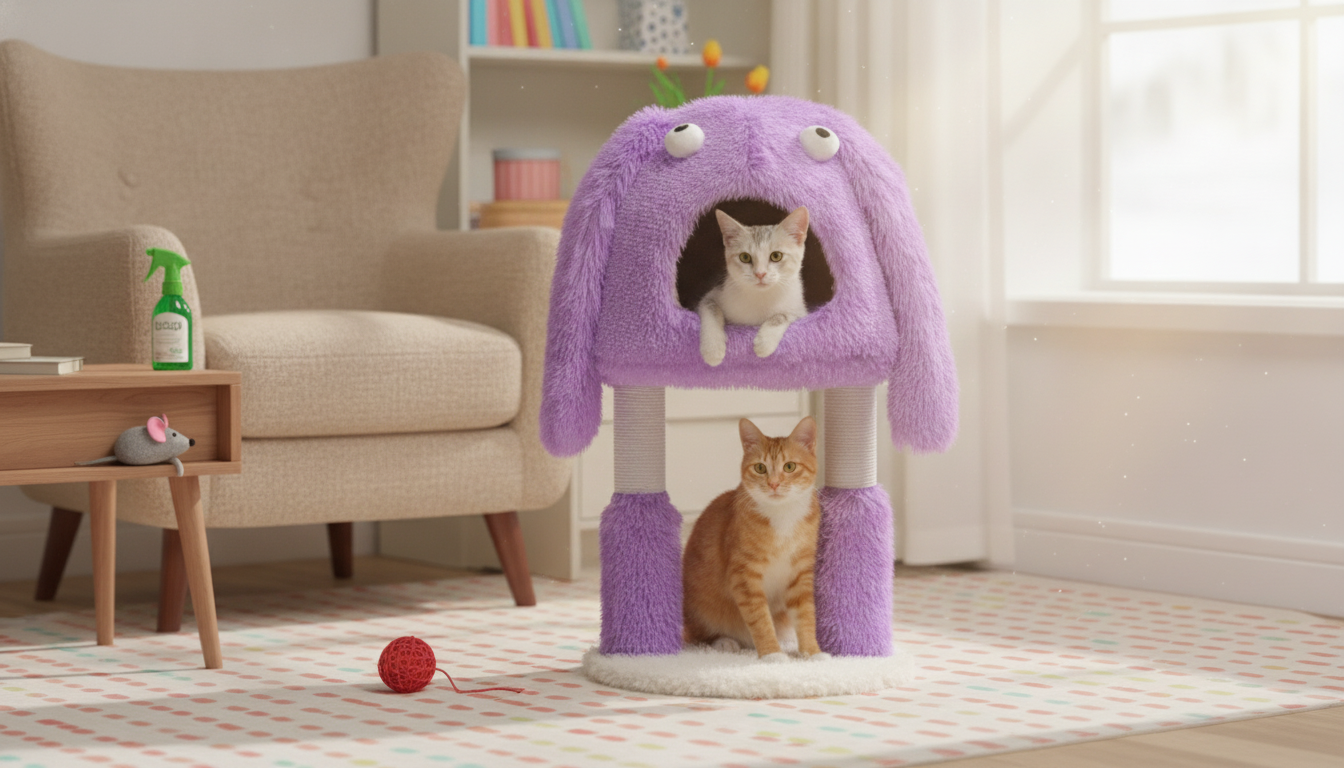
Monster-Themed Cat Tree Tower: A Playful Climbing Hub for Indoor Cats
A themed cat tree can do more than look cute—it can redirect scratching, encourage daily climbing, and create a cozy perch that feels like a “territory” of its own. A monster-styled tower adds a fun décor twist while still covering the essentials: scratch-friendly surfaces, resting spots, and a stable footprint for energetic play.
If you’re shopping for a statement piece that still functions like a serious enrichment tool, the Monster-Themed Cat Tree Tower is designed to blend play value with practical, everyday cat needs.
What Makes a Monster-Themed Tower Worth Having
- Combines vertical space, scratching outlets, and lounging spots to support natural behaviors like climbing, perching, and stretching.
- Helps protect furniture by offering a more appealing scratching target in a consistent location.
- Adds character to a room without needing extra pet furniture scattered around.
- Gives shy cats a defined hideaway and confident cats a lookout point.
Many indoor cats benefit from a “cat-friendly home” layout that includes safe vertical routes, predictable resting zones, and scratch opportunities. For broader guidance on building a supportive environment, International Cat Care’s advice on creating a cat-friendly home is a strong reference.
Quick Look: Monster-Themed Cat Tree Tower Features to Check
- Overall height and number of levels for climbing variety.
- Base width and stability for jumping and zoomies.
- Scratch areas (posts/panels) positioned where cats naturally scratch after waking or play.
- Soft surfaces for naps plus at least one perch with a view.
- Ease of cleaning (vacuum-friendly fabric, wipeable areas, removable cushions if included).
Feature Checklist for Everyday Use
| Feature | Why it matters | Good fit for |
|---|---|---|
| Stable base | Reduces wobble and tipping during leaps | Active cats; multi-cat homes |
| Multiple platforms | Encourages climbing and provides separate zones | Cats that like variety and vertical territory |
| Scratch surfaces | Supports claw maintenance and stress relief | Cats prone to scratching couches or rugs |
| Cozy nook/perch | Improves rest and helps cats feel secure | Shy cats; nappers; window-watchers |
| Easy-clean materials | Simplifies fur and dander cleanup | Shedding breeds; allergy-aware households |
Sizing and Placement Tips That Prevent Wobble
- Match the tower height to the cat’s confidence level; timid cats often prefer shorter climbs at first.
- For larger cats, prioritize wider platforms and a heavier base over extra height.
- Place near a wall or in a corner for extra stability and a sense of security.
- Position within view of a window if possible—cats use towers as observation posts.
- Keep away from fragile décor and ensure nearby jump paths are clear.
Placement is the “silent dealbreaker” for many cat trees. A sturdy tower can still feel unsafe if it’s centered on a slick floor with no nearby anchor points. If your home has hardwood or tile, adding a non-slip mat under the base often improves traction and confidence. If the tower sits near a window, it can double as a daily viewing station—one of the simplest ways to add enrichment without adding clutter.
Comfort, Scratching, and Play: What Cats Actually Use
The most-used parts of a tower are usually the ones that fit into a cat’s existing rhythm: wake up, stretch, scratch, survey, and settle. Putting the tower in a room where your cat already spends time (rather than a spare corner) makes the structure feel like part of the home’s “traffic flow.” For additional ideas on day-to-day enrichment routines, the ASPCA’s overview of cat care and enrichment is helpful.
For cats that prefer true “privacy” over perching, consider pairing a tower with an enclosed retreat like the Large Indoor Cat House with Removable Flower Bed. A separate hideaway can reduce stress for shy cats and prevent one cat from monopolizing the highest platform.
Safety and Durability Basics
Durability is partly about materials and partly about habits. A quick monthly check—tightening bolts, smoothing any lifted fabric edges, and inspecting scratch areas—helps the tower stay steady over time. General cat care recommendations from the American Veterinary Medical Association (AVMA) also reinforce the value of safe, predictable home setups that support healthy behavior.
Monster-Themed Cat Tree Tower: Who It’s Best For
Good Alternatives for a Full “Cat Zone” Setup
If you’ve noticed your cat relaxes with steady background noise, a small speaker can support a calmer atmosphere in the room where the tower is placed. The RGB Wireless Bluetooth 5.3 Speaker can be used to play consistent, low-volume audio—just keep volume stable and avoid abrupt changes, which can startle sensitive cats.
FAQ
Is a themed cat tree stable enough for jumping cats?
Yes, stability mainly depends on base width/weight, solid assembly, and smart placement. Set the tower near a wall or in a corner, re-tighten hardware after the first week, and use a non-slip mat if your floors are slick.
How do cats learn to use a new cat tree?
Introduce it gradually by placing treats on the lower platforms and rubbing catnip on the scratch zones. Short play sessions nearby and positioning the tower in a high-traffic room (or by a window) help it become part of your cat’s daily routine.
How often should a cat tree be cleaned or maintained?
Plan on quick weekly vacuuming or a lint roll for fur, spot-cleaning as needed, and a monthly hardware check. Replace worn scratch sections when they’re smooth and trim loose threads promptly to prevent snagging or chewing.




Leave a comment